



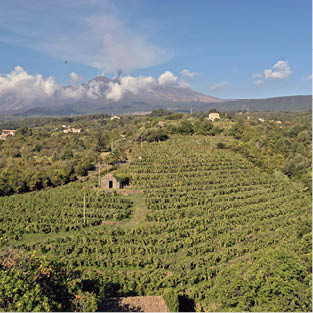
La muntagna, as the people of Catania call Mount Etna, is a land that does not compromise and cannot leave you indifferent, dominated by the dark, rough black of lava, the green of pine and chestnut trees, and the floating silver of olive trees swaying in the wind. A UNESCO World Heritage Site, Mount Etna is located on the eastern coast of Sicily and is the highest active volcano in Europe, one of the most active in the world. Thanks to thousands of years of eruptive activity, the maximum height of the volcanic cone now exceeds 3,300 metres above sea level, with a base diameter of approximately 45 km, making it the most impressive volcano in Europe and the entire Mediterranean area.
History
The province of Catania and the towns around Mount Etna are home to Sicily's oldest agricultural civilisation: the earliest evidence of farming communities dates back to the Neolithic period. This part of eastern Sicily was the first to be colonised by the Greeks (729 BC) and by the 8th century BC it was already familiar with wine and perhaps even vines. What is certain is that in the 5th century BC, this area was heavily planted with vines, as evidenced by some coins from the time that have survived to this day. In the 3rd century BC, Theocritus spoke of the widespread presence of vineyards on the slopes of Mount Etna, which then experienced a period of decline before enjoying a renaissance from the 13th century AD onwards.
In 1500, Fazello praised the wines produced at the foot of Mount Etna, and in 1700, Arnolfini spoke of Mascali wine, which was exported to Malta. In 1848, almost 26,000 hectares of vineyards were cultivated here. Between 1880 and 1885, Catania was the Sicilian province with the most vineyards, with over 90,000 hectares, but the phylloxera invasion in the early 1900s caused a serious crisis in viticulture: the number of hectares of vineyards fell dramatically to around 40,000.
The reduction in the area under vine over the years was due to the frequent eruptions of Mount Etna and the objective difficulties of an impervious and “heroic” viticulture, where the vineyards are largely terraced due to the steep slopes and where cultivation operations are difficult to mechanise and therefore involve very high costs. However, despite these difficulties, over the centuries, viticulture on Mount Etna has always played a very important role in the area, producing high-quality wines to this day.
Recent history has been characterised by extremely positive developments for the appellation, with the planting of new vineyards, the establishment of new wineries, and the professionalism of operators who have contributed to raising the quality and reputation of Etna DOC wines.
A happy island
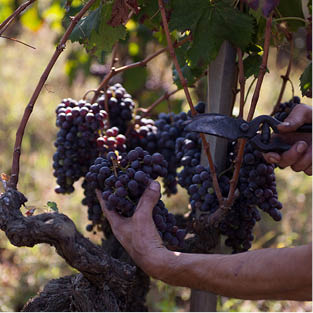
Many like to describe Etna as “an island within an island” thanks to its unique territory and climate and an ecosystem that is unlike any other in the world, setting it apart from the rest of Sicily. The different slopes on which the 133 districts are located, with their varying exposures and soils characterised by different lava flows over time, express a sense of diversity that makes each production unique. It is here that old, sinuous and twisted vines, living wooden sculptures, sink their deep roots into the sand and stones, desperately seeking precarious survival. Considered one of the most important wine-growing areas in Europe, Etna produces sensual whites and satisfying reds, children of this extreme land that bring an uncompromising nature to the glass. Several factors contribute to making these wines truly great: the volcanic soils, sometimes pebbly and gravelly, sometimes sandy or rather ashy, the age of the vines and the large temperature variations, which can reach 25-30 degrees between day and night. The Etna DOC area, Sicily's first designation of origin (1968), is semi-circular in shape, extending from north to south-west in a strip ranging from 450 to 1,000 metres above sea level. The symbolic grape varieties of Etna are all native and consist of 80% Nerello Mascalese and Cappuccio for the reds; 60% Carricante and 40% Catarratto for the whites, with 80% of the superior white wine produced from Carricante. In 2019, the appellation produced over 4 million bottles under the Etna DOC label, an increase of around 20% on the previous year, involving over a thousand hectares of vineyards and more than 600 producers.
The Consortium
In 1994, the Protection Consortium was established with the aim of promoting and protecting Etna wine production and its territory. With the Ministerial Decree of 18 February 2018, the Consortium obtained the so-called “erga omnes” recognition, with the task of protecting, promoting and enhancing the designation. Its main commitment is to protect the Etna DOC brand, promote it in Italy and abroad to increase the visibility of a brand that is a symbol of Made in Italy, and ensure compliance with the rules laid down in the production regulations to protect consumers and producers. The production area of the designation of origin covers part of the territory of the municipalities of Aci, Sant'Antonio, Acireale, Belpasso, Biancavilla, Castiglione di Sicilia, Giarre, Linguaglossa, Mascali, Milo, Nicolosi, Paternò, Pedara, Piedimonte Etneo, Randazzo, Sant'Alfio, Santa Maria di Licodia, Santa Venerina, Trecastagni, Viagrande and Zafferana Etnea, on the slopes of Mount Etna, in the province of Catania.
THE WINES
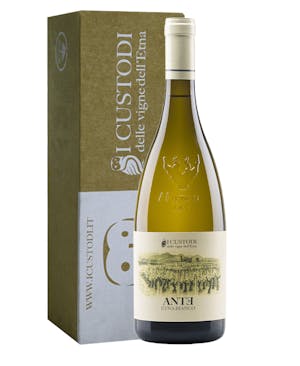
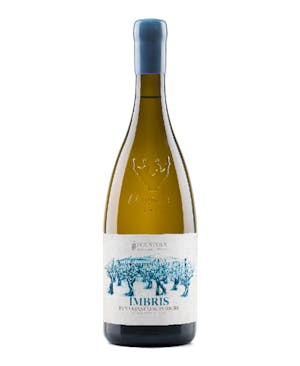
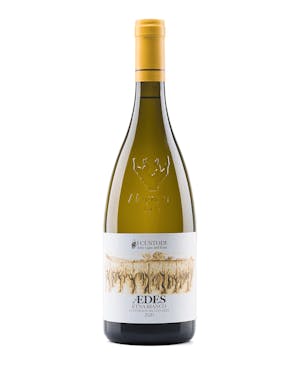
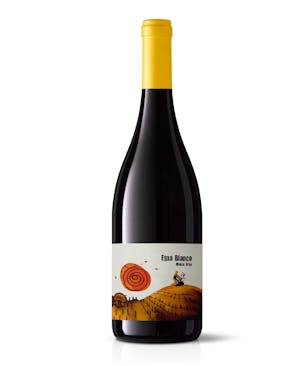
Etna Bianco DOC and Etna Bianco Superiore DOC are very pale straw-yellow wines with greenish reflections and a delicate, characteristic aroma. The flavour is dry, fresh, harmonious and smooth. This wine pairs well with fish, which is abundant in Sicily, served as appetisers, first courses and, above all, main courses. It can also be enjoyed with fried fish.
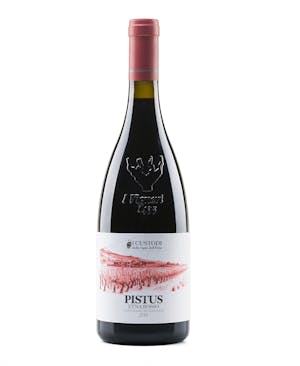
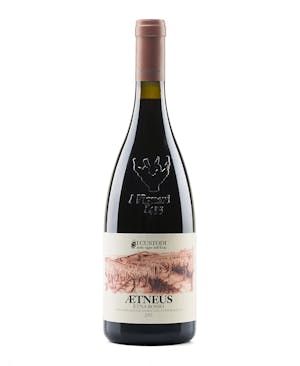
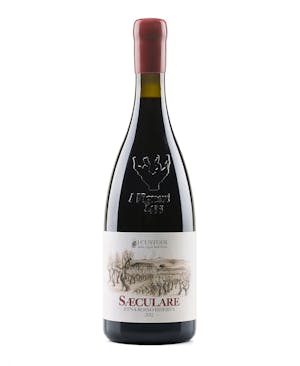
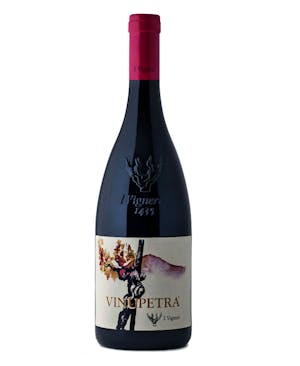
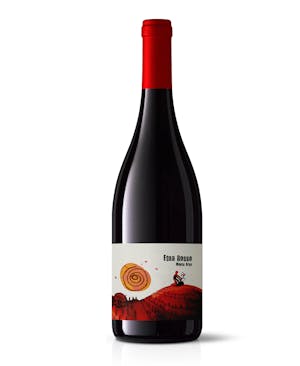
Etna Rosso DOC and Etna Rosso Riserva DOC are ruby red wines. They develop garnet reflections with ageing. They have an intense and characteristic aroma, while on the palate they are dry, warm, robust and harmonious. They are best paired with a first course dressed with a rich, tasty and flavourful meat sauce, or grilled meat. As an aperitif, try pairing it with mature cheese or sun-dried tomatoes in oil and bread.
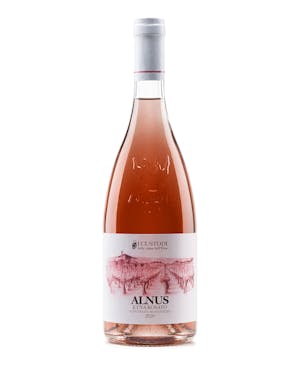
Etna Rosato DOC is a fruity wine with notes of strawberry and red fruit. It is savoury, harmonious, refined and complex, with good persistence. It pairs well with fresh tomato-based pasta, Neapolitan pizza, Messina-style swordfish and Asian dishes.
Etna Spumante DOC (from Brut to Extra Dry) is a rosé or white wine. It has an intense, characteristic aroma with delicate notes of yeast. It is full-bodied, harmonious and persistent on the palate. Fried foods, fish and shellfish, and, in the case of rosé, pizza, are the most successful pairings with Etna Spumante DOC.
The designation Riserva for Etna Rosso can only be used if the wine has undergone a period of ageing of at least 4 years, including at least 12 months in wood. The ageing period begins on 1st November of the year in which the grapes were produced. The designation Superiore is reserved for wines made exclusively from grapes produced in the municipality of Milo.