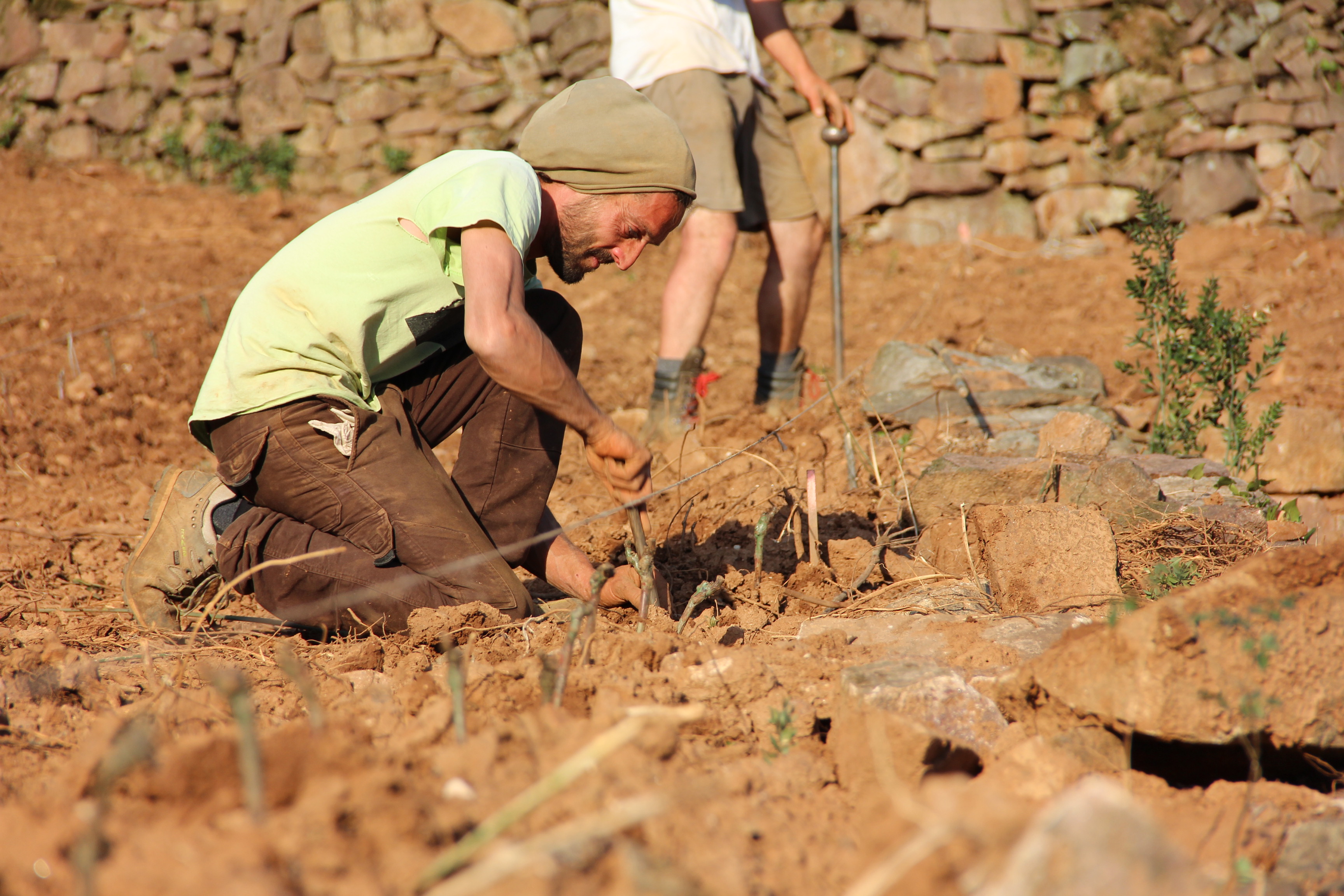



The appeal of PIWI wines: the example of Villa Persani
 Francesca Negri,
Friday, 24 April 2026 (0 minutes read)
Francesca Negri,
Friday, 24 April 2026 (0 minutes read)


The world of wine is undergoing a quiet revolution rooted in genetics and looking towards a form of agriculture finally free from the shackles of chemicals. We are talking about PIWI grape varieties, an acronym of the German term ‘Pilzwiderstandsfähige’, which refers to vine varieties obtained through natural cross-breeding and capable of resisting major fungal diseases such as downy mildew and powdery mildew. These are not genetically modified organisms, but the result of decades of research and manual selection that have made it possible to combine the resistance of wild American or Asian vines with the organoleptic complexity of the European Vitis Vinifera. Choosing a PIWI wine today means embracing genuine sustainability, as these vines allow for a drastic reduction—of up to eighty or ninety per cent—in vineyard treatments, thereby protecting soil health, the biodiversity of pollinating insects and air quality in the areas surrounding the vines.
Names such as Solaris, Bronner and Johanniter for whites, or Prior and Regent for reds, are beginning to feature on the wine lists of discerning establishments, offering surprising sensory profiles ranging from tropical freshness to deep, spicy structures. In sensitive regions such as South Tyrol or the foothills of Veneto, the spread of these grape varieties represents an effective response to climate change and the increasingly pressing demand for zero-impact viticulture. The appeal of PIWIs lies precisely in their nature as ‘grapes of the future’: resilient vines that do not require massive human intervention to survive and thrive, delivering pure fruit to the glass, unadulterated by synthetic residues.
Villa Persani
Within the Trentino wine scene, Villa Persani – Clementi Silvano stands out as one of the most intriguing names in the story of Italian PIWI wines. Located in Pressano di Lavis, in the hills north of Trento, the winery approaches hardy grape varieties with a vision that combines research, rigorous viticultural practices and a strong sense of terroir. Here, sustainability is a daily practice that begins in the vineyard and is reflected in the glass.
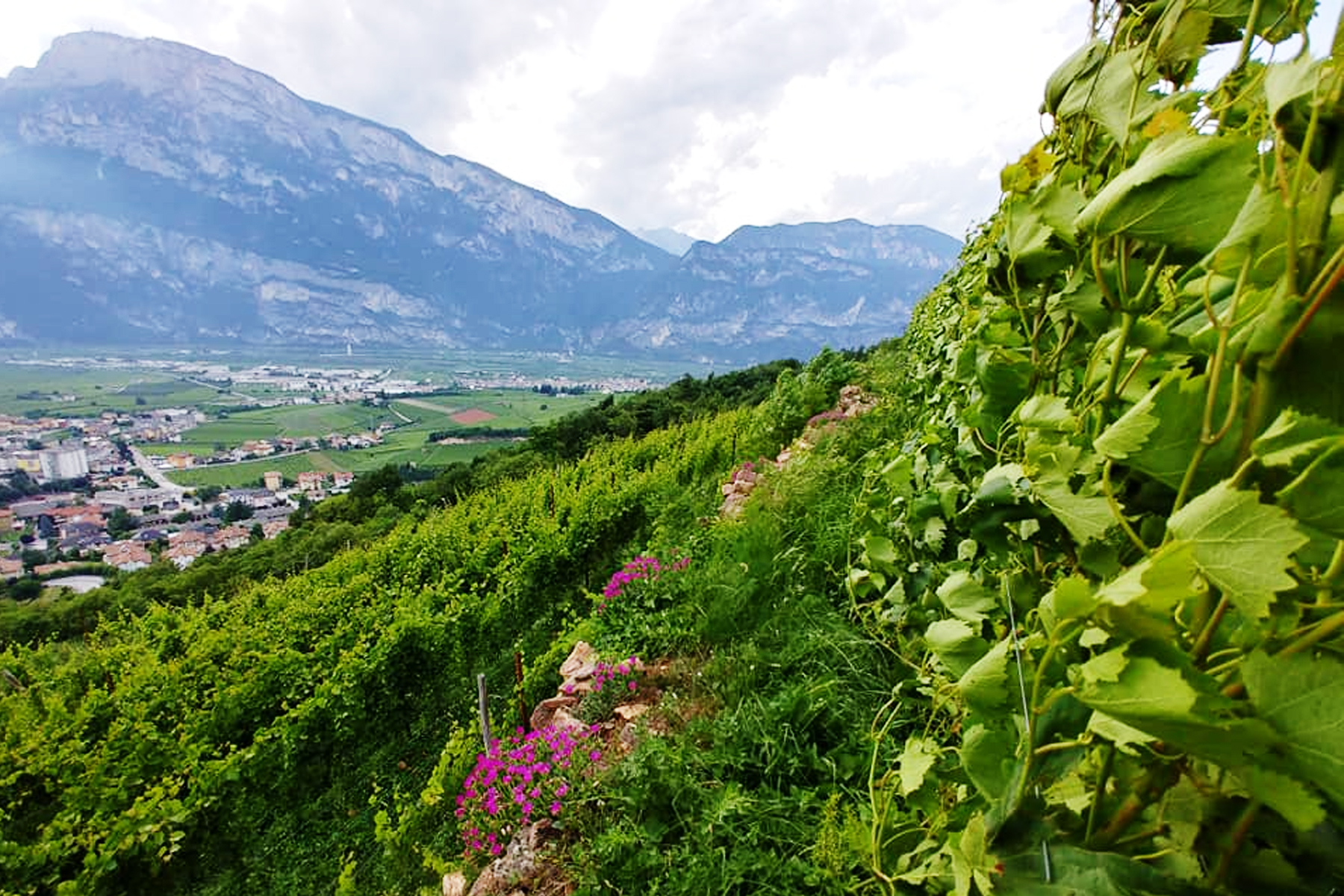
The connection to the local terroir is crucial: the mineral soils, altitude and alpine breezes produce wines that are taut, vibrant and of great aromatic precision. Among the flagship wines, the Candido Brut Nature Metodo Classico stands out: a simple, vertical Souvignier Gris sparkling wine with a crisp, savoury and highly elegant palate, demonstrating just how well PIWI grapes can excel in sparkling wine production.
The Aromatta PIWI Cuvée is also very interesting, showcasing the most fragrant and immediate side of these disease-resistant varieties: intense aromas, floral and aromatic notes, a lively freshness and a contemporary drinkability that wins you over from the very first sip.
When it comes to long-aged sparkling wines, Villa Persani offers two distinctive interpretations: Silvo 36 months on the lees and Silvo 60 months on the lees. Two Metodo Classico wines made from Souvignier gris and other hardy grape varieties that showcase the value of time: the first plays on balance, creaminess and precision on the palate; the second adds depth, complexity and a more developed texture, with toasty nuances and a wonderfully lingering finish.
The wines from Villa Persani reflect a clear-sighted and courageous decision: to invest in PIWI grape varieties in order to protect the land, reduce environmental impact and ensure consistent quality over time.