



Between restaurants and vineyards, between Venice and Arbus
 Maddalena Frigerio,
Friday, 20 March 2026 (6 minutes read)
Maddalena Frigerio,
Friday, 20 March 2026 (6 minutes read)


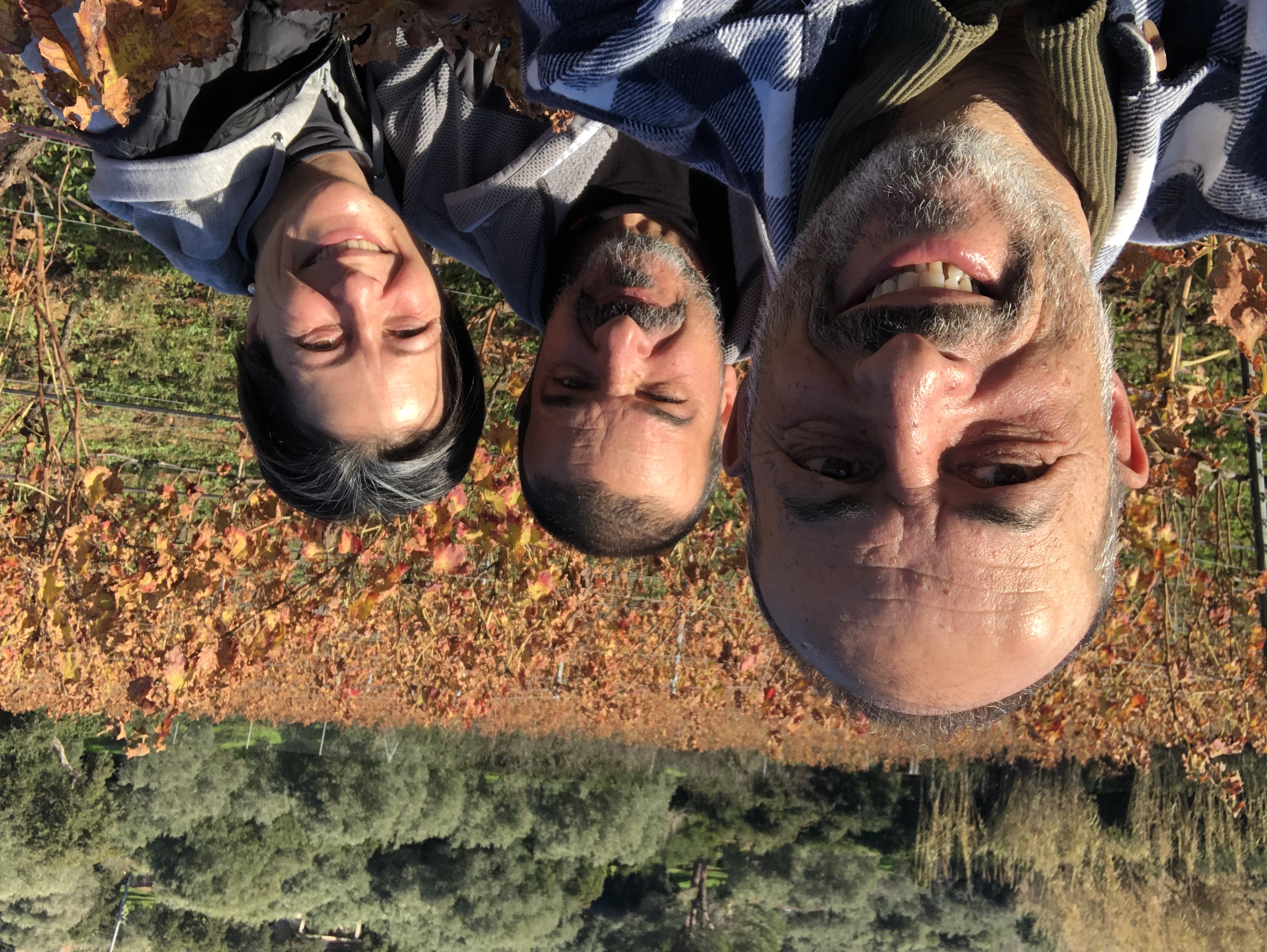
We interviewed Luigi Gibadda who, together with his wife Patricia, runs the Gibadda winery, a project born from the meeting of two worlds: catering and viticulture. After many years in Venice, where Luigi worked as a teacher, sommelier and restaurateur, the couple decided to return to their family roots in Sardinia. Here, they restored the family vineyards and transformed what was supposed to be a small production for the restaurant into a real winery. Today, the winery aims to showcase a still little-known region through wines that express identity, tradition and a strong connection to the land.
Your story began in the restaurant business and then evolved into wine production. When did you realise it was time to move to the other side of the table, from serving wine to producing it?
In reality, our story began with wine. My grandfather and father worked in the vineyards. I come from a humble family; my father was a miner at night and cultivated the land during the day. For this reason, as a young man, I perceived working in the vineyards as almost an imposition and decided to leave Sardinia. Over time, however, I realised how strong my bond with my homeland was. When I realised that the sacrifices of my ancestors and the family vineyards were in danger of being lost, I felt the need to do something to recover them.
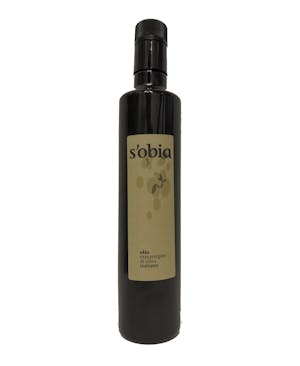
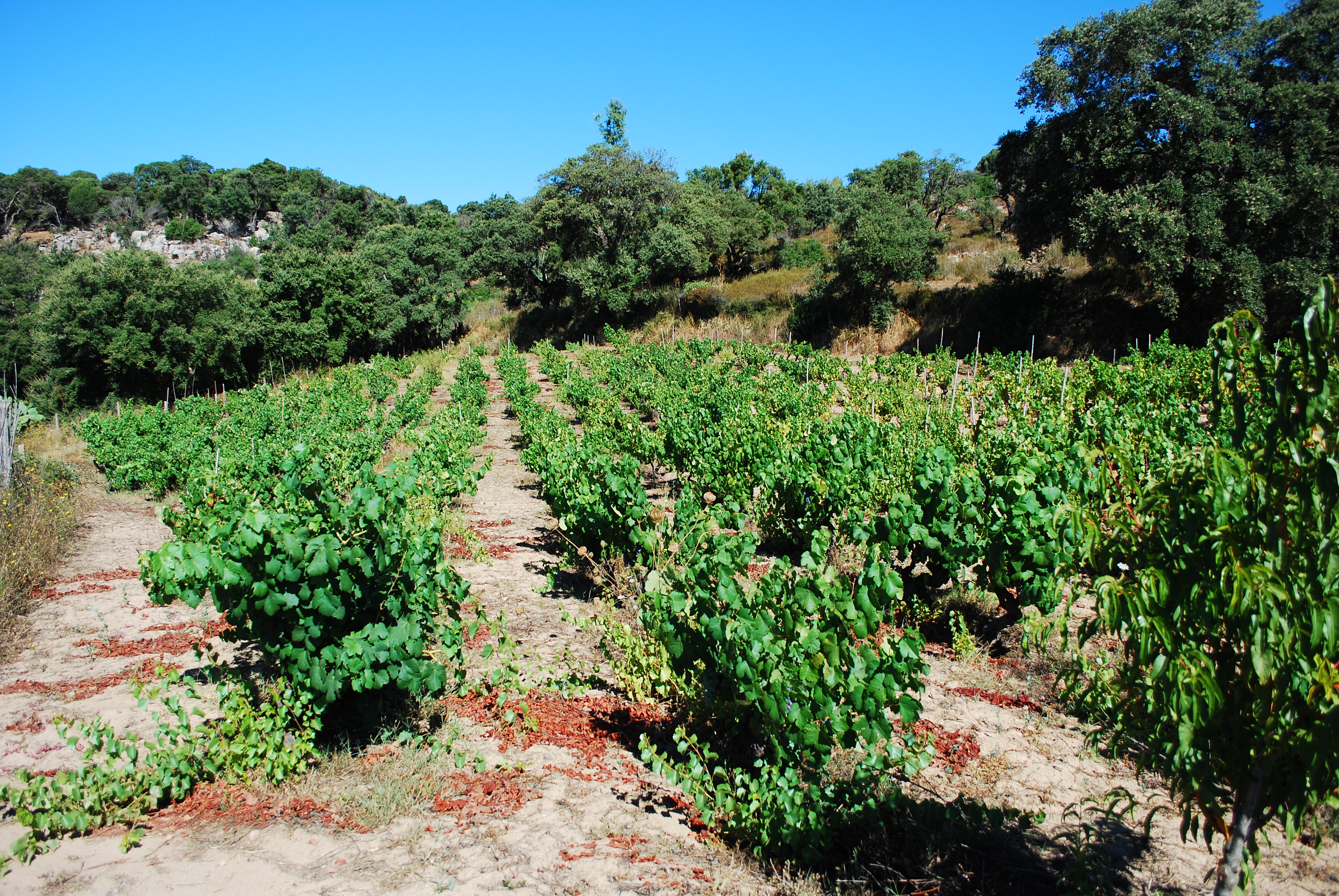
I have always worked in the restaurant business, as a sommelier, teacher and restaurateur, and wine has always been a great passion of mine. That's how the idea came about: to restore the family vineyards and produce a little wine for the restaurant. What was initially intended to be just a small production for our own table has grown over time. Today we have about 4 hectares of vineyards and 6 hectares of olive groves.
After your experience outside Sardinia, what prompted you to return there? Was it a strategic or emotional decision, or both?
I would say both, definitely. On the one hand, there was the desire to reclaim our family's land and history, and on the other, there was a very strong emotional component: a Sardinian never really leaves Sardinia.
I often say that for me it's like having lived with two mothers. The first is Sardinia, the second is Venice. I left when I was fifteen and lived in Venice for fifty years. It is impossible to choose just one of the two. Venice has given me so much: it shaped me professionally and entrepreneurially. It is a unique city because the world comes to Venice, not the other way around. At the same time, however, Sardinia remains the place you always return to.
Opening a business in Venice was an important decision for a restaurateur. What did this experience teach you, and how did it influence your approach to wine and production?
More than Venice itself, it was my profession as a restaurateur that shaped me. I have always worked as a sommelier, teacher and restaurateur, and this has given me a very particular approach to wine.
Producers often do not fully understand the dynamics of the restaurant business: how wines are chosen, how they are described to customers, what the needs of those who offer them on the menu are. We are fortunate to know both worlds. We know how producers think, but we also know how restaurateurs think. This dual perspective is a great advantage for us.
From a production point of view, it has also taught us something else: to approach wine in a simple way, producing wines that reflect the territory, the grape variety and our personality, but which also know how to dialogue with the market.
Our project, therefore, started from a very clear idea: we wanted to produce wines that were an expression of the territory, the grape variety and our way of thinking about wine. We chose to work only with native grape varieties. In the past, there were many vineyards in our village, but with the development of mining and regional incentives that favoured the uprooting of vineyards, most of the viticulture disappeared. Today, only small plots cultivated by families for domestic consumption remain.
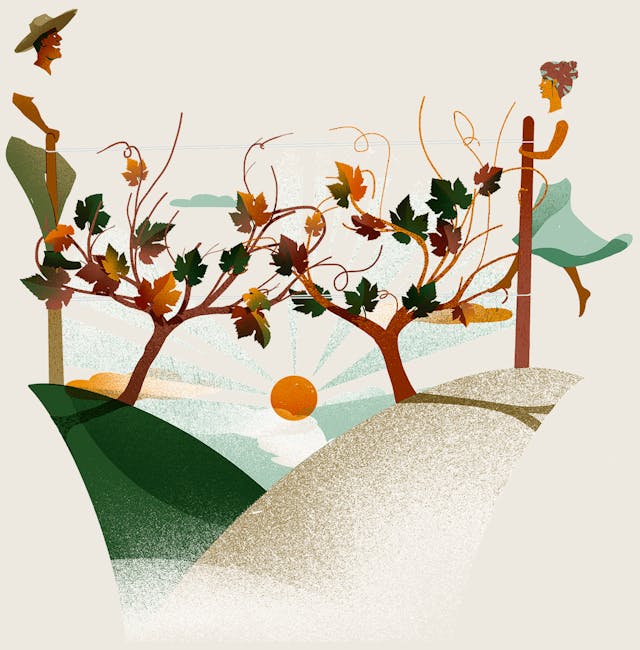
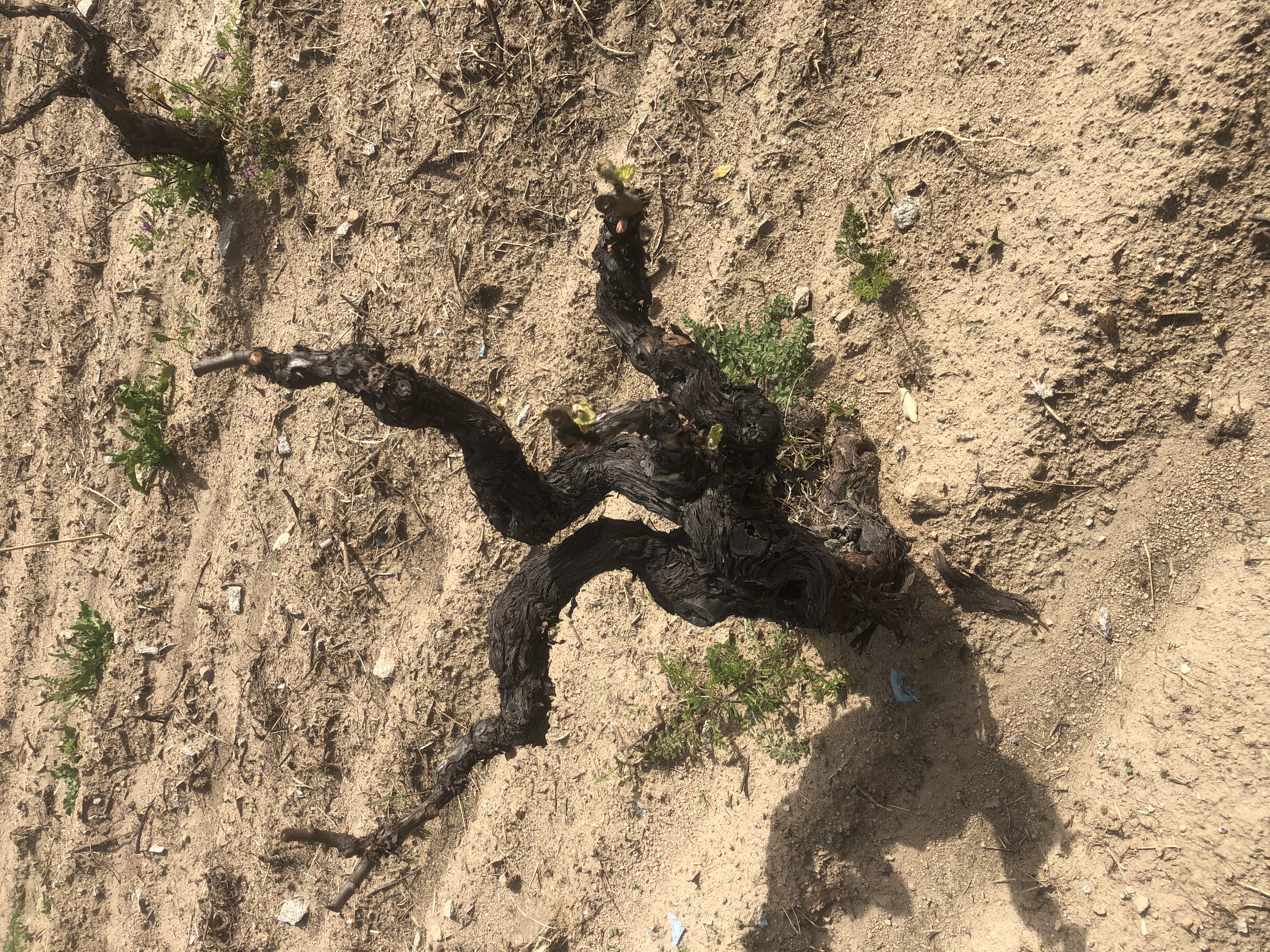
The territory is very extensive – about fifty kilometres of coastline – but today there are only two wineries in the village, one of which is ours. When I inherited the old family vineyard, a centuries-old bush-trained vineyard, we decided to restore it and try to send a message to the young people of the area, to show them that working the land can still have a future.
How important is it for you that your wines reflect Sardinia? What elements of the territory do you want to emerge in the glass?
It is fundamental for us. We want the wine to reflect the character of the territory. Ours is a harsh, arid, strong land. Those who live in difficult territories must develop great tenacity, otherwise they will not survive. The same applies to vines: either they are strong or they die.
In a sense, Sardinians and nature mirror each other. This is why our wines are tenacious, sometimes even a little wild and rough. Our wines therefore represent both the territory and our character.
Is there a reference that you are particularly fond of?
In reality, we are fond of all our labels, because each one tells a story. As with children, each one has its own personality and it is difficult to choose a favourite.
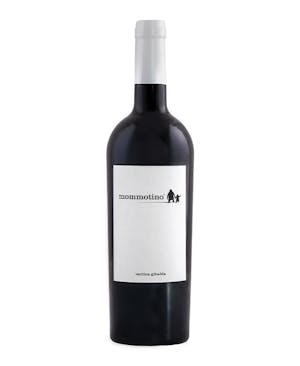
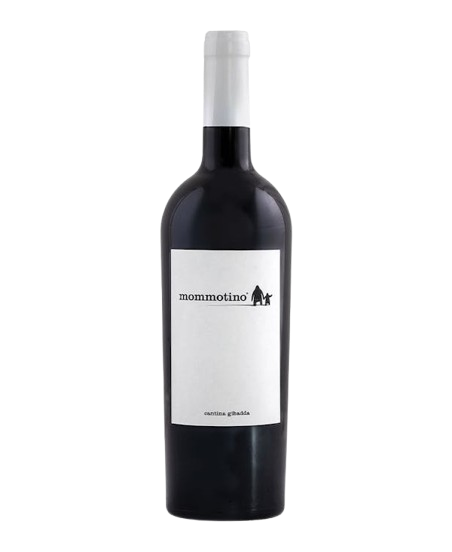
However, the wine we are most attached to is probably Mommoti, our firstborn. It is the one that best represents the territory and the history of our family. That is where our rebirth began, with the restoration of the old family vineyard. Today, we have four hectares of vineyards spread over three plots: the first is the historic, centuries-old vineyard, trained using the alberello method. We planted the others in subsequent years.
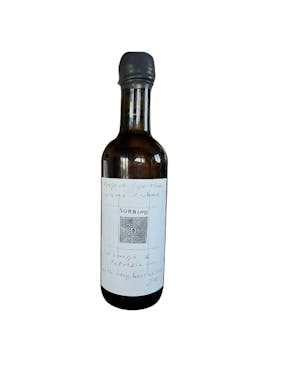
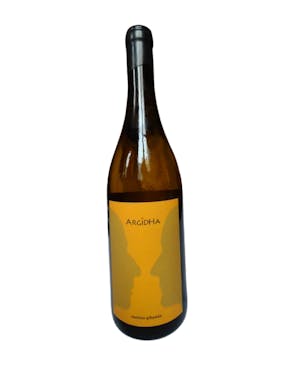
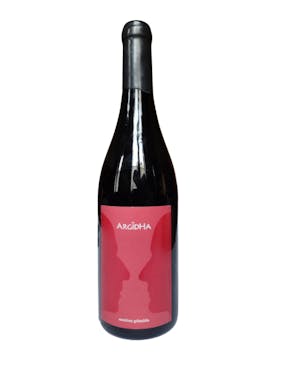
Another wine we are particularly fond of is Arghida, created from experimentation with amphora vinification and special work on native white and red grape varieties. Then there is Sorbino, linked to a very intense story. The label was created by a friend of ours, a pop art artist. We asked him to design the label for a wine that was not yet in production at the time. He created the prototype, but sadly passed away before seeing the wine come to fruition. Today, that label tells an intense story and accompanies a wine produced with Nasco, one of Sardinia's oldest and rarest grape varieties.
How do you envisage the company evolving over the next few years?
We envision a company that continues to grow. To be sustainable, a winery cannot stop at four hectares of vineyards: the number of bottles is too small compared to the fixed costs. Today we produce about 10,000 bottles, so we will necessarily have to grow.
At the same time, we want to remain true to our roots. Our wines will remain the same: we want to continue producing that type of wine and that type of product.
We would also like to become a point of reference for the area. The more companies that are established, the better: it would mean creating movement and attracting attention to an area that has a lot to offer but is still little known today.
It is not easy to promote yourself when you are a small company in a little-known area with wines that the public has yet to discover. But we are convinced that there is no need to invent anything: this area already has everything it needs to tell a great wine story.