





Wines of the Abbeys, Keepers of Ancient Knowledge
 Francesca Negri,
Friday, 01 August 2025 (6 minutes read)
Francesca Negri,
Friday, 01 August 2025 (6 minutes read)


Launched in 2022, the Vini delle Abbazie (Wines of the Abbeys) project is Proposta Vini's tribute to the precious work of vine cultivation carried out over the centuries by monasteries, abbeys and convents. A millenary tradition that has made, and still makes, the monks and nuns-vignerons the custodians of a priceless heritage, contributing to the safeguarding of many native vines, which would otherwise have been lost, and to the transmission of ancient knowledge and know-how relating to winemaking processes.
Alongside religious and cultural knowledge, in the most important wine territories of Italy and Europe, there are many abbeys that also conceal a vineyard within their walls: magical places where history, religion and the work of the land intersect. From northern Italy to France, passing through Spain to Georgia, here are the nine realities included in the project.
The protagonist
ITALY
Muri-Gries
The Muri Monastery in Gries, on the outskirts of Bolzano, has a troubled history: the building, where the monks still reside today, was built as a castle towards the end of the 11th century and donated to the Augustinian canons in 1407. In 1807, the monastery was abolished by the Bavarian government and it was not until 1845 that the Benedictine community of Muri (a Swiss locality) took over the building and the centuries-old wine business. A symbiosis, that between convent, winery and vineyards (covering an area of 60 hectares) that has remained intact to the present day and that gives rise to wines of excellence, vinified from the grapes of the estate's finest vineyards since 1989. Monovarietal wines (Lagrein, Pinot Bianco, Pinot Grigio, Pinot Noir, Moscato Rosa, Chardonnay, Sylvaner) clear and unambiguous in their interpretation: from aromatic and fruity to classic and elegant.
Abbazia di Praglia
A monastic reality in the province of Padua, which arose between the end of the 11th and the beginning of the 12th century on the northern slopes of the Euganean Hills, it has left its mark on the territory, contributing significantly to shaping the area's agrarian landscape through viticulture. A centuries-old bond, that which unites Praglia Abbey to wine production, the first traces of which date back to 1130, and which sees the ancient art of the monks embrace new production technologies to obtain wines of great quality. Situated within the floral-fauna park of the Euganean Hills, in an area of volcanic origin, the abbey is surrounded by about 40 hectares between hills and plains, woods and cultivations, of which 10 hectares are vineyards. Prevailing, under a regime of careful manual and organic agronomic practices that avoid the use of chemicals as much as possible, are the historical vines: Garganega, Moscato giallo, Raboso, Friularo and Merlot.
SPAIN
Monastero de Yuso
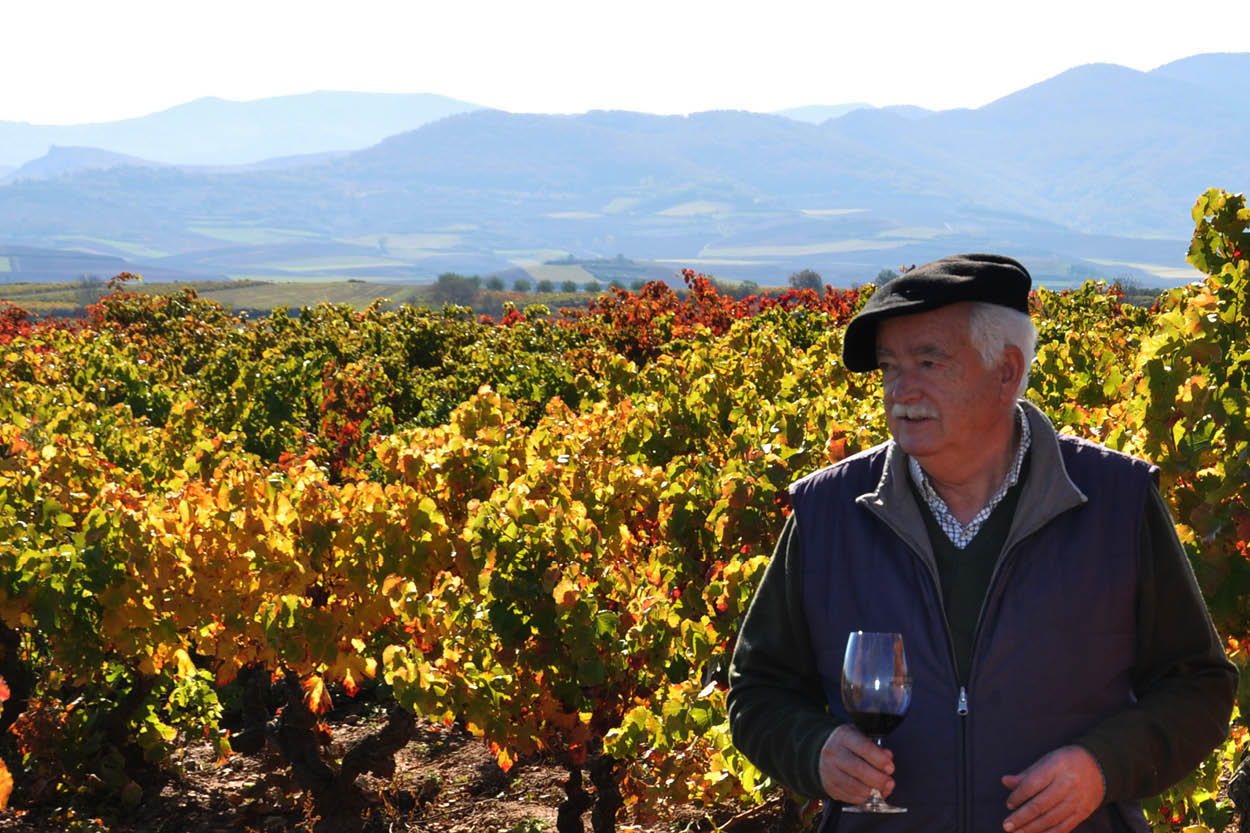
Declared a Unesco World Heritage Site, the Monasterio de Yuso in Rioja Alta houses the relics of San Millán and is home to the community of Augustinian Recollect monks. Situated 600 metres above sea level, the 45 hectares of Tempranillo, Garnacha and Grenache vines (between 35 and 50 years old) are fully influenced by the Atlantic Ocean: the cold winters and hot summers, together with the limestone-clay composition of the soils, give the wines a profound aromatic concentration of aroma and taste.
FRANCE
Abbaye de Lérins
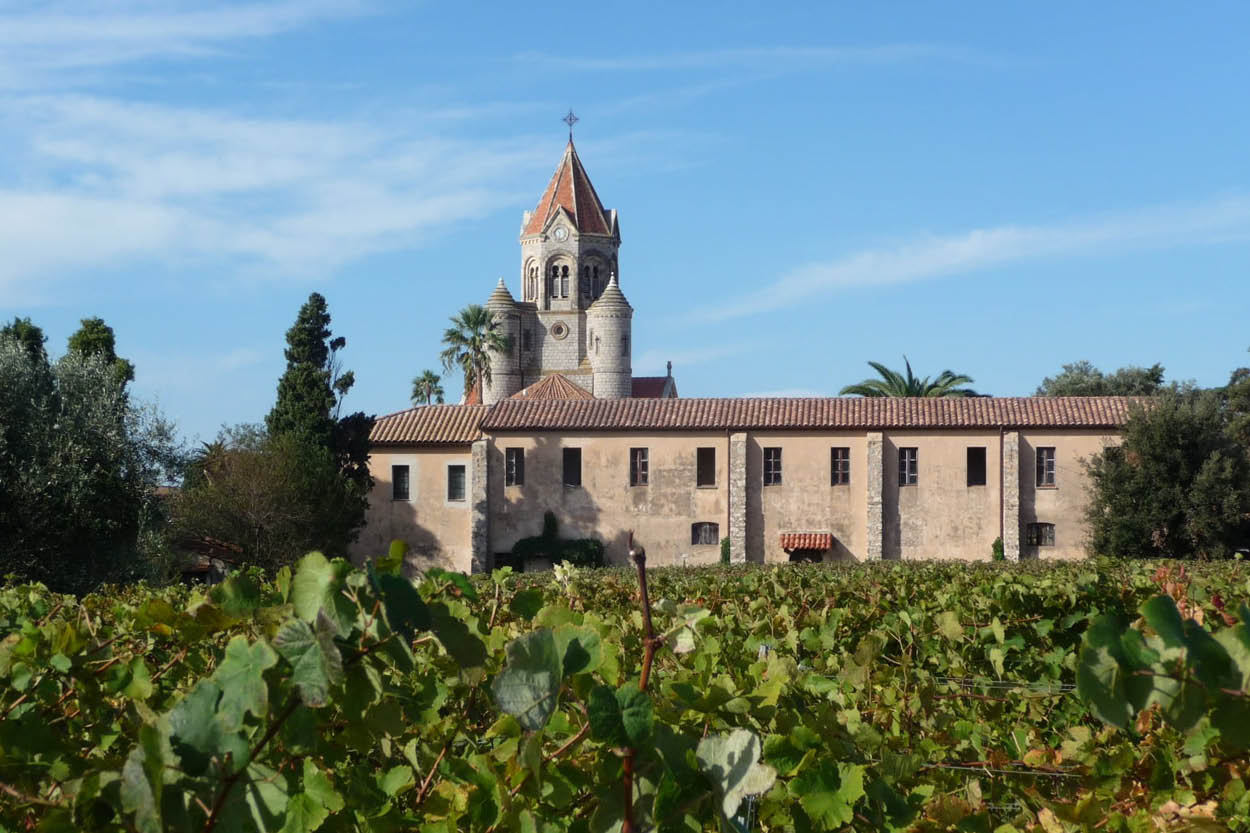
For over 16 centuries, the Abbaye de Lérins has stood on the enchanting island of Saint'Honorat, in the beautiful setting of the Côte d'Azur. A unique place for mysticism and culture, where spirituality and monastic tradition intertwine with the production of exceptional wines, keeping alive the ancient Benedictine rule “Ora et labora”. It is a story of faith, but also of dedication and love for the land and viticulture, relaunched in the 1990s thanks to the discovery of five micro-terroirs on the island, where vines are still cultivated according to the ancient tradition of winemaking by parcel. The alchemy created by the work of the monks combined with the calcareous, loamy and sandy clay soil, the presence of year-round sunshine and a good amount of humidity gives rise to unique and exceptional wines. The uniqueness of the abbey's vineyard (whose vines range in age from 12 to 60-80 years) and the wines produced is further emphasised by the variety of grapes grown: for the red wines, the Syrah, Mourvèdre and Pinot Noir varieties predominate, while the white wines are obtained from the Chardonnay, Clairette and Viognier varieties.
Abbaye Notre Dame de Fidélité
In Jouques, north of Aix-en-Provence, the Benedictine nuns of Notre Dame de Fidélité Abbey have been tending their 9-hectare vineyard, which benefits from the Coteaux d'Aix-en-Provence appellation, every day since 1967. The nuns are responsible not only for the entire (strictly natural) cultivation cycle of the vines but also for the grape harvest, which is carried out strictly by hand except for the Provençal rosé Exsulta. The subsequent wine-making process is entrusted to the Quatre-Tours cooperative, which produces three labels for the abbey, a red from predominantly Grenache grapes, a Merlot cuvée and the rosé resulting from the union of Grenache, Caladoc and Clairette.
AUSTRIA
Stift Altenburg
Founded by the Benedictines in Limberg, northern Austria, in 1144, the Altenburg Abbey has been dedicated to viticulture for more than 250 years. The vineyards of Limberg are located in the coolest area of the forest-rich Weinviertel AOC. The vines grow on sedimentary siliceous rock of organic origin, i.e. the fossil residues of microscopic seaweed. These deposits reach a depth of up to 23 metres and store a lot of moisture. It is here that the six hectares of vineyards of indigenous grape varieties such as Gruner Veltliner and Zweigelt are developed, cultivated using traditional winemaking techniques to enhance the characteristics of the terroir. The wines produced, with their unique creaminess and elegance, reflect the thousand-year history of the abbey and its connection to the land, offering an authentic expression of the region's landscape and wine culture.
Stift Klosterneuburg
Located in Lower Austria, Klosterneuburg Abbey was founded in the 12th century by Margrave Leopold of Babenberg, the patron saint of Austria, and has been the seat of the Order of Augustinian Canons since 1133. The history of the abbey is closely linked to wine-growing: the Klosterneuburg wine cellar is in fact the oldest wine cellar in Austria that is still in operation and, in addition, the world's first wine school was founded in 1860 on the initiative of the monastery. The baroque cellar is located underground and in recent decades has been transformed into a pioneering winemaking centre using all the latest production technologies. The 55 hectares of vineyards are spread over four different regions, allowing the monastery to cultivate every grape variety (from Grüner Veltliner to Pinot Noir, from Riesling to Chardonnay) in its ideal.
SLOVENIA
Stift Admont
Admont Abbey was founded by the Benedictines in Styria in 1074, and in 1130 it became the owner of the Jarenina farm, located five kilometres from the Austrian border. Viticulture was practised here from then on, and the monks extended their activities to other parts of Slovenia. Today there are 73 hectares under vine managed by the monks, to whom we owe the rediscovery of the Furmint grape variety, called Sipon in Slovene, which has been present in the region for over a thousand years and with its freshness is ideal for making sparkling wine.
HUNGARY
Abbazia di Pannonhalma
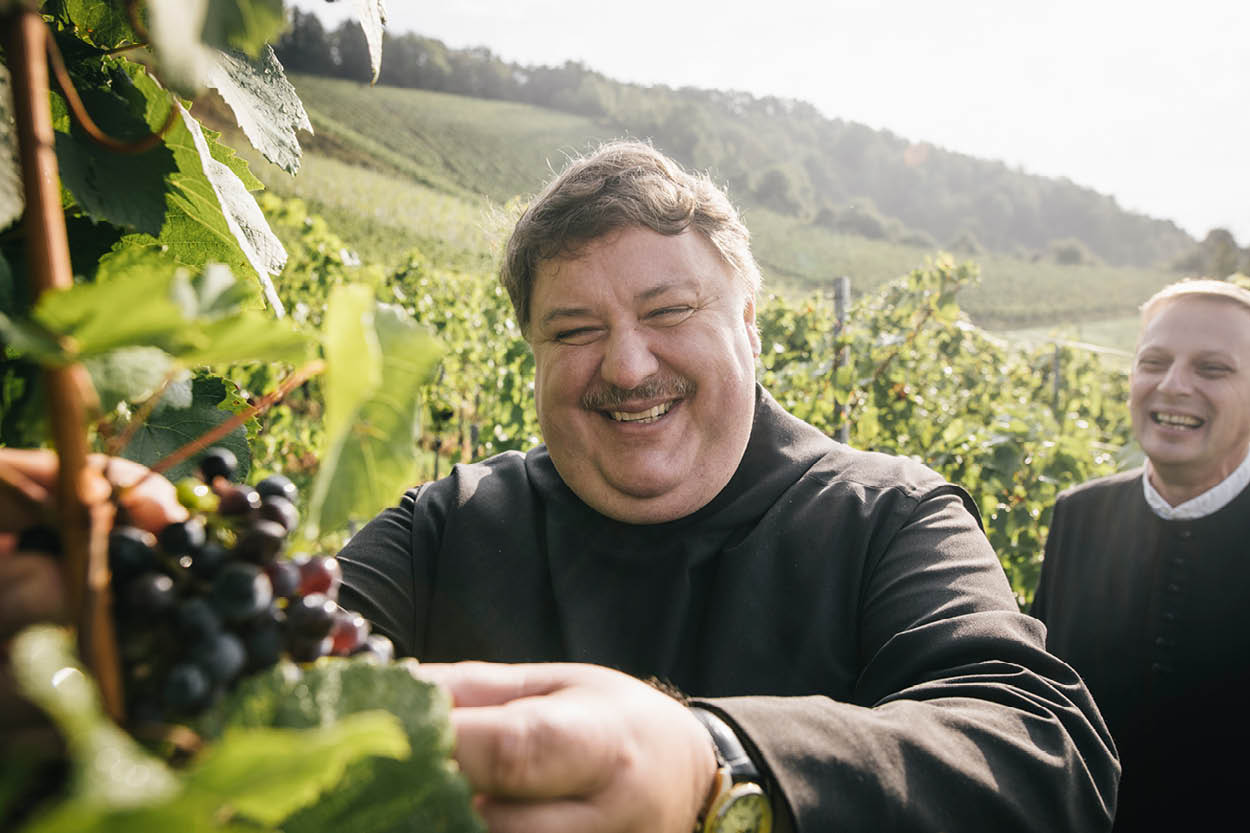
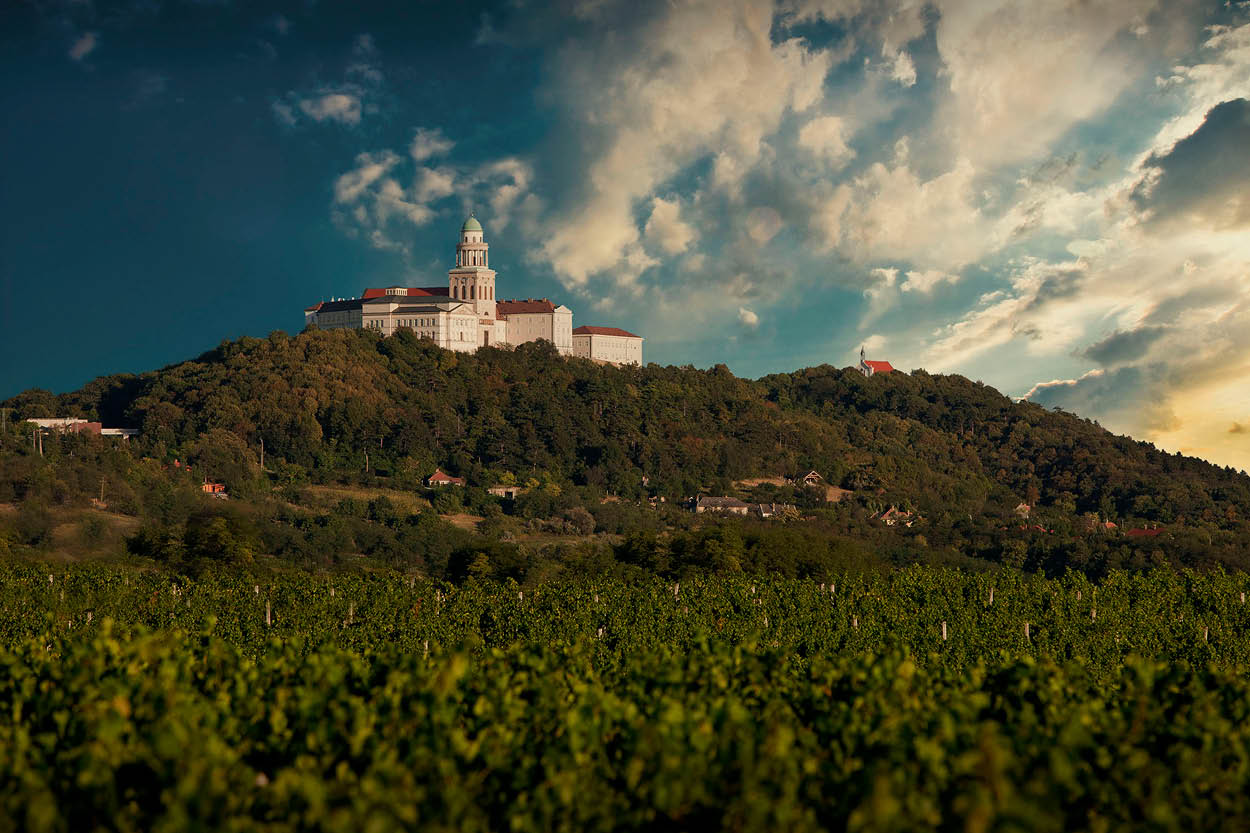
Founded in 996 by the Benedictines, the abbey is one of Hungary's oldest monuments and a UNESCO heritage site. The monks were the first to produce wine in Hungary, although viticulture had already been introduced in Roman times. After the end of communist rule, the Benedictine monks reactivated the historic vineyards (about 50 hectares) in 2001 and today, thanks to a modern underground cellar designed with full respect for tradition, they produce elegant, deep wines, born of silence and the earth.
GEORGIA
Monastero di Dariali
The Dariali Monastery Winery is located in the spectacular Dariali Gorge in the Mtskheta-Mtianeti region, at an altitude of 1,300 metres in the imposing Caucasus Mountains. Located close to the Russian-Georgian border, the winery is part of the monastery complex. The location and cool climate favour the vinification of indigenous grape varieties such as the white Rkatsiteli grape. This atypical terrain for winemaking gives the wine a unique character by developing a strong acidity and an intense aromatic profile, emphasised by the traditional winemaking in qvevri (earthenware amphorae), a thousand-year-old technique typical of Georgia.