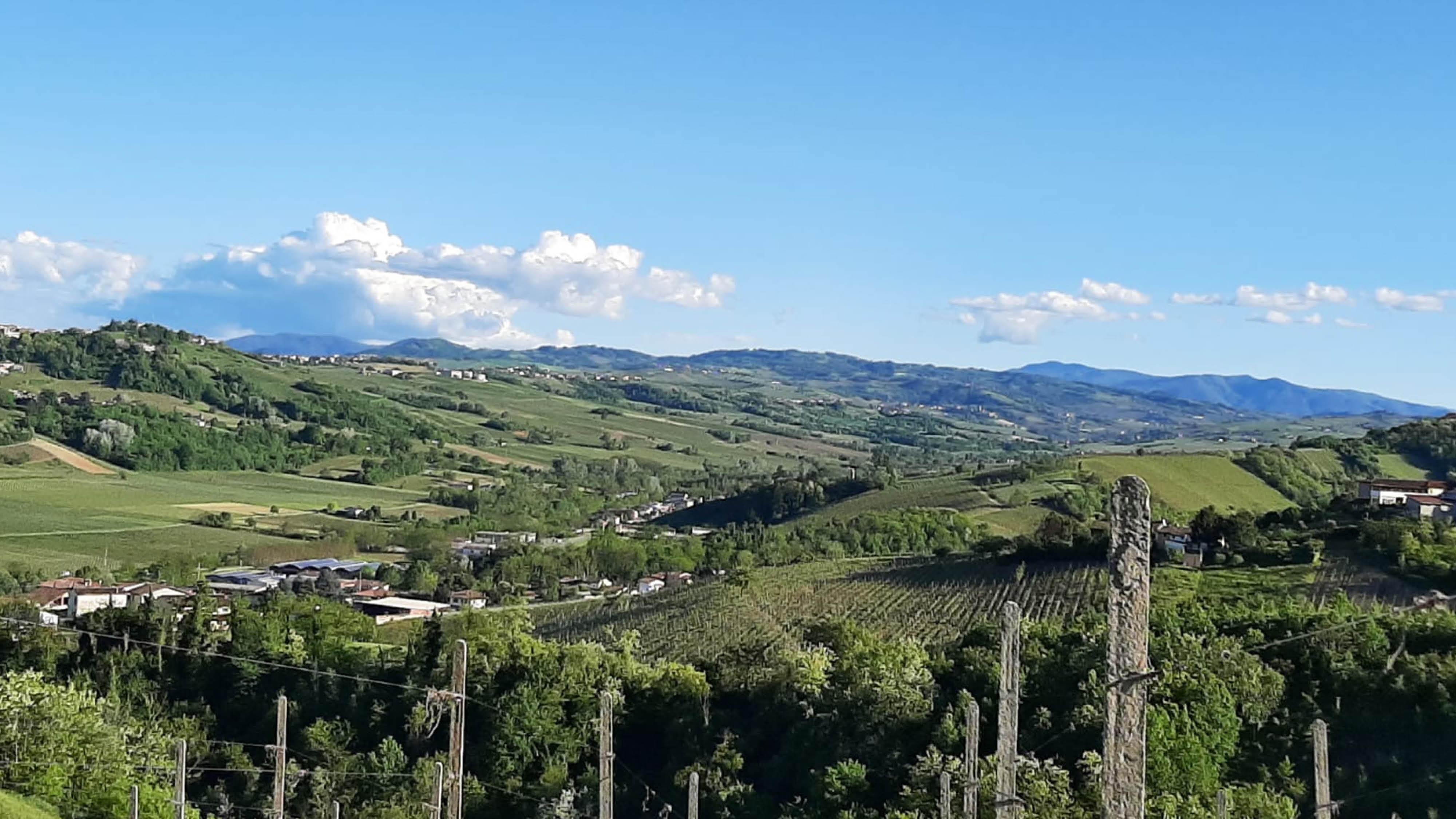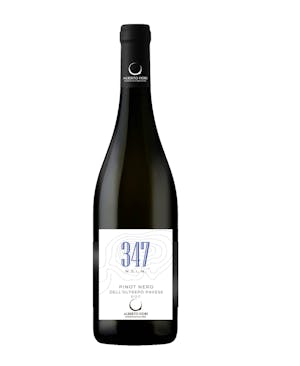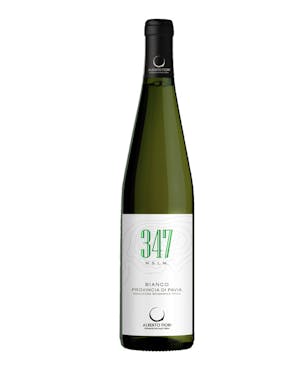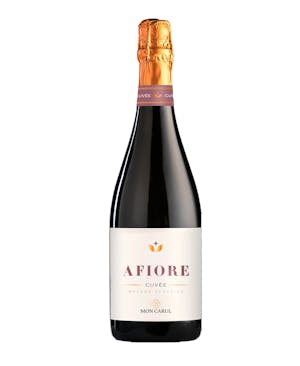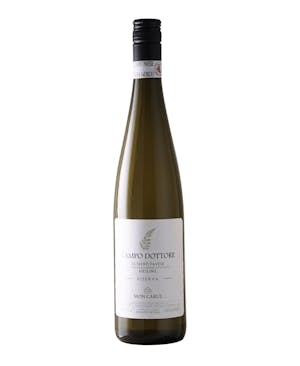




The Oltrepò Pavese area is rich in wines and typical products, but also in historic shops and producers, farmhouses, restaurants and bars where the cuisine is based on locally sourced ingredients. From Varzi salami to wines such as Buttafuoco, Riesling and Bonarda, from desserts such as Parona offelle to Carnaroli rice, the area offers a rich food and wine heritage to be protected and discovered.
Wines for all tastes
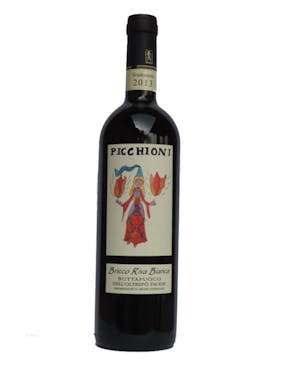
An ancient home to vines, according to official records, in 1884 Oltrepò Pavese boasted 225 native grape varieties. Today, however, there are just over 10 that are most widely grown, with some historic producers tending to recover the most evident traces of the past, such as Uva della Cascina or Moradella. Among the wines included in the various appellations (DOC and DOCG), the most representative are undoubtedly Buttafuoco, a red wine produced with Croatina grapes (also known locally as Bonarda), Barbera, Uva Rara and Ughetta di Canneto, grown on well-exposed and often very steep slopes in a small hilly area of eastern Oltrepò Pavese, corresponding to the territory of seven municipalities: Canneto Pavese, Montescano, Cigognola, Pietra de' Giorgi, Broni and Stradella. A structured, full-bodied wine with great personality: the nose releases a characteristic vinous note, hints of red fruit (morello cherry, plum), sometimes even spicy; in the mouth it is full-bodied, full, balanced and persistent. Croatina also gives life to Bonarda, produced in both still and sparkling versions: these are clear wines, ruby red in colour with violet reflections, brilliant; they have a penetrating aroma with fruity notes of blackberry and morello cherry; on the palate, they are balanced, dry, slightly tannic and with good aromatic persistence.
Last but not least, Oltrepò is also well known for its Metodo Classico wines, especially the Metodo Classico Pinot Nero and Pinot Nero Rosé versions, where the noble grape variety originating in Burgundy must be used for at least 85%: the result is sparkling wines of great finesse and persistence, with typical aromas and a completely unique character.
The 2025 harvest: giving our producers a voice
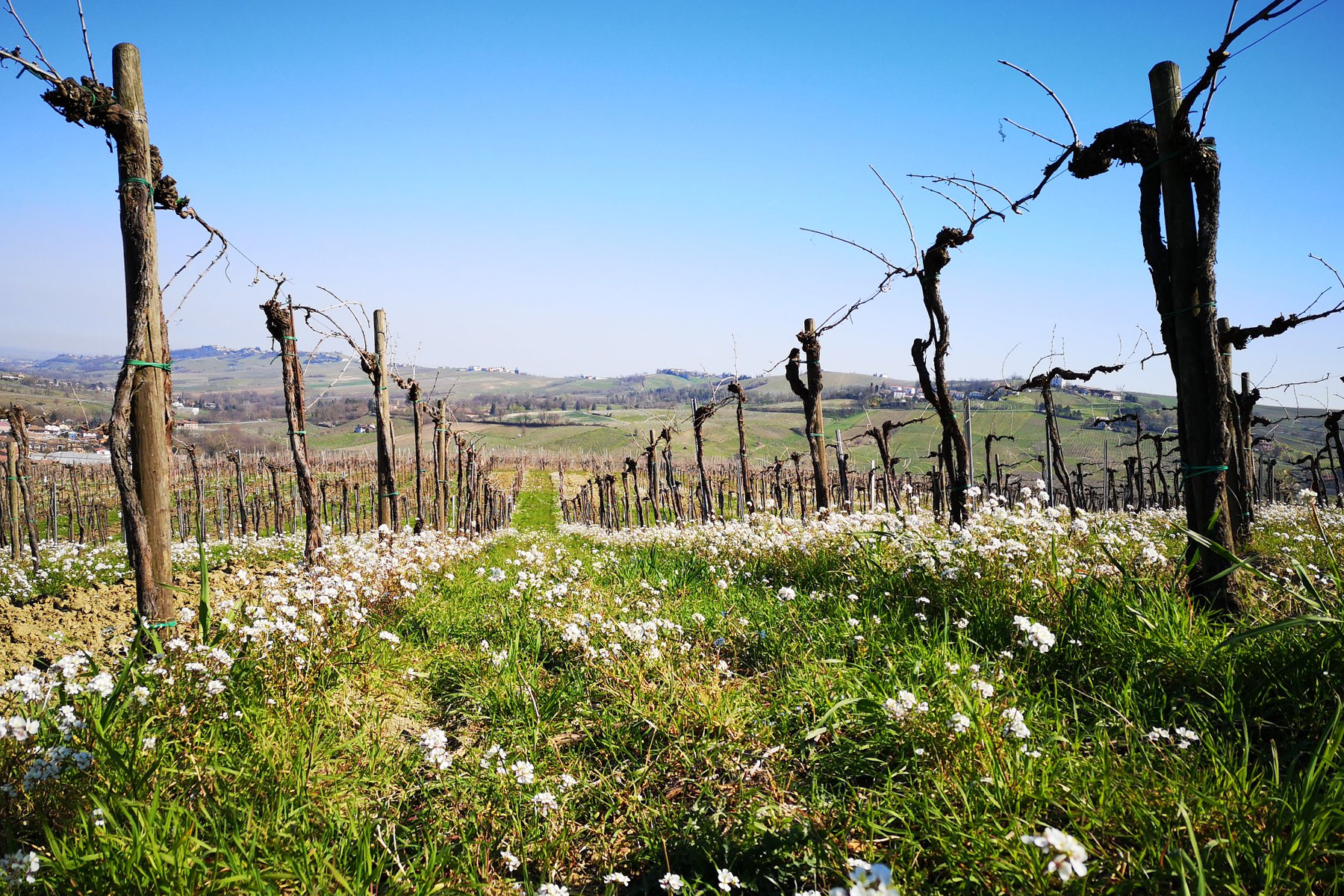
In Oltrepò, Lombardy's largest wine-growing area with around 12,500 hectares of vineyards (representing 40% of regional production), the 2025 harvest began about ten days earlier than last year and with satisfactory results, as our producers point out:
"After three years of complicated harvests, this year has finally been satisfactory for us in terms of quality and quantity, with Riesling and Pinot yielding excellent results, while Croatina yielded slightly less due to the widespread spread of downy mildew in 2024. In line with the trend of recent years, the 2025 harvest was also brought forward due to the fluctuating climate, with a not very cold winter followed by a hot June, a rainy July and a hot August, which balanced the situation. The conditions for an excellent vintage are there: initial analyses show that the Metodo Classico bases are performing very well in terms of both acidity and alcohol content at the time of harvest," says Stefano Calatroni, who, together with his brother Cristian, runs the family business of the same name in Montecalvo Versiggia.
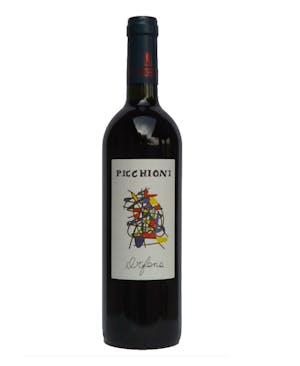
Andrea Picchioni, a “counter-current” producer from the small Valle Solinga in the hills of Canneto Pavese, echoes this sentiment: “It was not an exceptional harvest, but it was good, certainly better than 2024. We therefore expect good, balanced wines. The musts are beautifully fragrant and there is a good chance that we will also be able to produce reserves this year”.
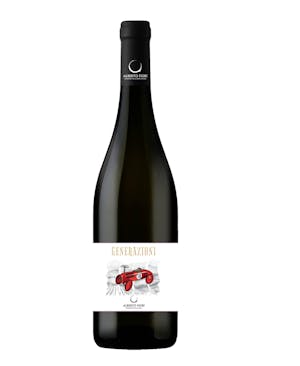
For Carola, wife of winemaker Alberto Fiori of the Valdamonte farm in Santa Maria della Versa, "the 2025 harvest went very well and we are very enthusiastic about the high quality of the grapes for white wine production, despite the yield being slightly lower than normal. The red grapes are also of excellent quality, but yields were very low, starting with Croatina. This trend is in line with market demands, which are increasingly shifting towards sparkling wines, and for this reason I hope that our region (and our winery!) will sell more Metodo Classico than Bonarda in the coming years!"
A glimpse into the future
"We have celebrated 160 years of history, but above all we have laid the foundations for a future of innovation, recognition and identity. Oltrepò believes in its Pinot Noir and in the Metodo Classico: with Classese, we want to proudly affirm our vocation and take it to ever greater heights," said Francesca Seralvo, president of the Consorzio Classese Oltrepò Pavese, at the 2025 edition of the Oltrepò: Terra di Pinot Nero event, held at the end of September. The vision of Oltrepò as a united territory determined to reaffirm its vocation for Pinot Noir and the Metodo Classico is also shared by Stefano Calatroni: 'We are currently witnessing a positive revolution, with new figures playing an increasingly active role and a new appellation, which is creating a particular dynamic that is enabling a virtuous process of entrepreneurial growth in the territory. Oltrepò has all the right credentials and potential, especially in terms of sparkling wine production, to consolidate its position alongside other strong producers in Lombardy."
A region whose expressiveness is ‘well represented by the selection of Proposta Vini with Picchioni, the region's best red wine producer, and Fiori, a true artisan of the product,’ concludes Calatroni.