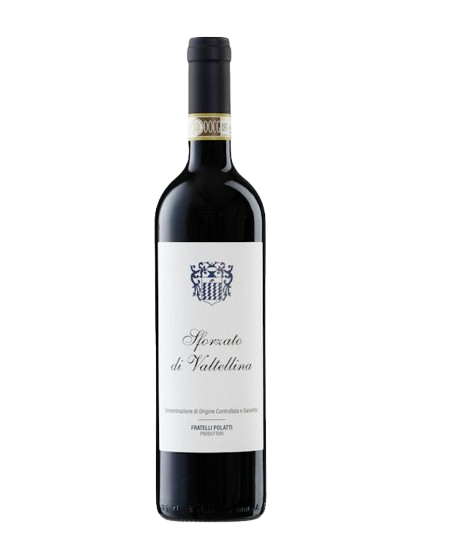



Fratelli Polatti, Nebbiolo on the terraces of Valtellina
 Valeria Di Rosa,
Friday, 27 November 2026 (0 minutes read)


Valtellina is an extreme area, made up of steep slopes, steep temperature variations, and vineyards where much of the work still needs to be done manually. A unique viticultural landscape, where the “vine grows clinging to the mountain”, capable of giving Nebbiolo – here called Chiavennasca - an Alpine character made of finesse, freshness, tension and depth.
Valtellina is also the only Italian wine-growing area to combine two DOCGs in the same production area: Valtellina Superiore – with its sub-areas - and Sforzato di Valtellina, both built around Nebbiolo, which is at least 90% present. These are joined by Rosso di Valtellina DOC, the youngest and most immediate expression in the area, and Alpi Retiche IGT, a broader name that includes different typologies and grape varieties.
The five sub-areas of Valtellina Superiore DOCG
The Valtellina Superiore DOCG originates from the best-exposed vineyards on the Rhaetian side, between Buglio in Monte and Tirano. It must refine at least 24 months, of which at least 12 in wood, and can include the name of one of the five historic sub-zones on the label: Maroggia, Sassella, Grumello, Inferno and Valgella.
Five nearby territories, but different in altitude, exposure, slope conformation, and soil characteristics, which give rise to different interpretations of the Chiavennasca.
· Maroggia, the westernmost and also the smallest, gathers just 25 hectares of terraced vineyards between 270 and 550 meters. The steep slopes, the different exposures and the significant presence of old vineyards give life to Nebbioli of great character, elegant and deep.
· Sassella, between Castione Andevenno and Sondrio, it is perhaps the best known sub-area. Here the vineyards insinuate themselves between large rock spurs and terraces that rise up to about 600 meters. The different altitudes and exposure to the winds contribute to giving fine and harmonious wines, characterised by elegance, freshness and well-defined tannins.
· Grumello, dominated by the castle of the same name, it extends over approximately 80 hectares between 350 and 600 metres. The variety of exposures and altitudes is reflected in balanced, fragrant and refined wines, in which the structure of Nebbiolo is accompanied by a marked elegance.
· Inferno it is one of the most intense expressions of Valtellina. Its 55 hectares are mainly between 300 and 500 metres, with the historic core characterised by very steep exposures to the south and on average higher temperatures. The result is structured, deep and enveloping wines, without losing the freshness typical of mountain Nebbiolo.
· Valgella, with approximately 140 hectares, it is the largest of the five sub-zones. The vineyards are distributed between 350 and 650 metres, between very different exposures and microclimates. The medium deeper soils and the more limited rainfall contribute to giving fresh and fine Nebbioli, often characterised by a particular flavour and an elegant aromatic profile.
Fratelli Polatti, a cellar in the heart of Sassella
In this landscape that thrives on heroic viticulture, the story of Fratelli Polatti was born, a winery founded in the heart of Sassella in the 1930s by Cavaliere Luigi Polatti, born in 1907 and a winemaker. Today its rebirth is linked to the Nera family, protagonists of Valtellina viticulture for over a century. Leading the way is Simone Nera, who has made patience one of the central elements of the work, both in managing the vineyards and in the timing of wine aging.
The property has two hectares of vineyards distributed throughout the historic areas of Valtellina Superiore DOCG – Sassella, Grumello, Inferno and Valgella – as well as in the Rosso di Valtellina DOC area. Vineyards grow on traditional terraces supported by dry stone walls, with rittochino systems and slopes that can reach 70%. Conditions that make vineyard work almost entirely manual.
The protagonist is Chiavennasca, the Valtellina name for Nebbiolo, joined in some wines by traditional varieties such as Pignola and Rossola.
Rosso di Valtellina DOC: the most immediate face of Chiavennasca
Rosso di Valtellina DOC represents the youngest and most agile expression in the area. The appellation encompasses the entire vineyard area of the province of Sondrio, from Ardenno to the outskirts of Tirano, including both vineyards in the Valtellina Superiore area and plots located on the edges of the DOCG zones. The minimum aging period is six months and the result is a Nebbiolo that maintains the Valtellina character, focusing above all on freshness, immediacy and drinkability.
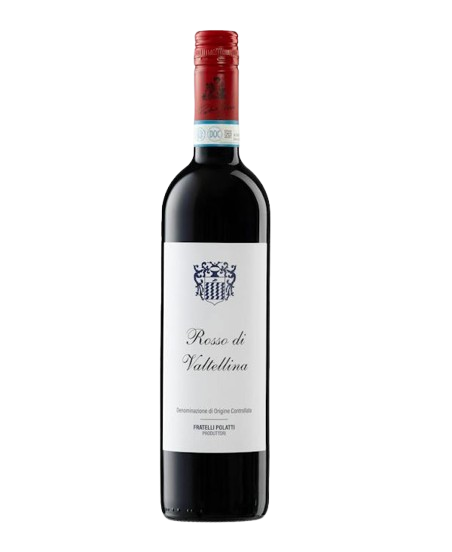
The Rosso di Valtellina DOC 2022 by Fratelli Polatti, produced by Chiavennasca, Pignola, and Rossola, ages between oak and steel barrels. Bright ruby red, it has a wide, fruity and floral bouquet and a firm and harmonious sip, supported by a silky tannin.
A versatile wine to bring to the table with cured meats, sciatt, savory first courses and white meats.
Sassella Valtellina Superiore DOCG: finesse and balance
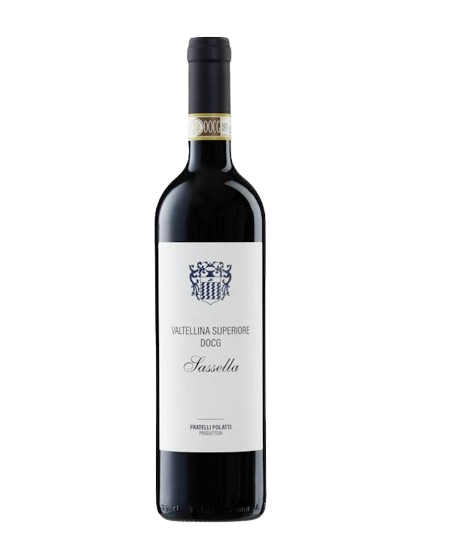
The Sassella Valtellina Superiore DOCG 2021 originates from Chiavennasca, Pignola, and Rossola and ages for at least 12 months in medium-capacity oak barrels, within the total 24 months required by the specifications. In the glass it is bright ruby red, with an intense profile where fruity and floral notes meet. The sip is vibrant, with a tannin well complemented by the softer components of the wine: a balanced and elegant interpretation of Sassella. It pairs with pizzoccheri, mushroom risottos, roasted red meats and medium-aged cheeses.
Inferno Valtellina Superiore DOCG: structure and intensity
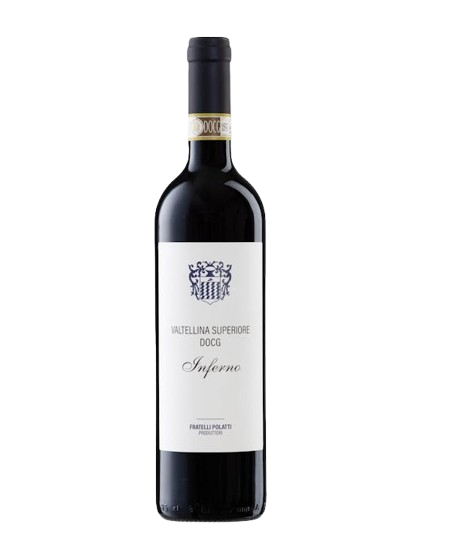
The character of the Inferno Valtellina Superiore DOCG 2022, produced by Chiavennasca, Pignola, and Rossola and aged for at least 12 months in oak barrels, for a minimum total period of 24 months, is more decisive. Fine and elegant on the nose, it combines the fruit with a texture of tertiary notes. On the palate it is direct, rich and enveloping, an expression of the greater intensity that characterizes this warm and steep sub-zone of the Valtellina side.
It is ideal with braised meats, game, grilled meats and aged cheeses.
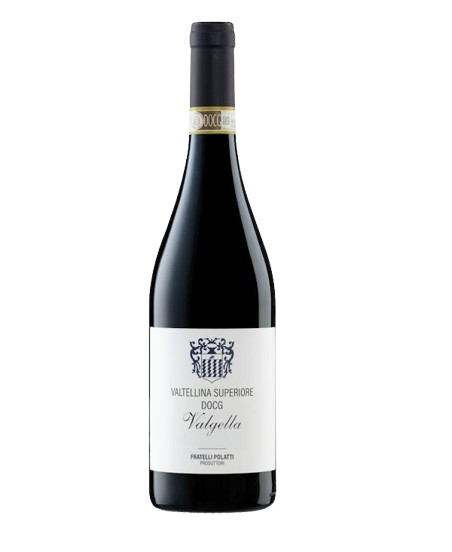
Valgella Valtellina Superiore DOC: freshness and flavor
The freshest side of the production is represented by the Valgella Valtellina Superiore DOCG 2021, obtained from Chiavennasca and aged for at least 12 months in oak barrels, within the total 24 months required by the specifications.
The flavor profile combines red flowers, spices and ripe red fruit. The sip is fine and fresh, supported by a velvety tannin and a pleasant saltiness that accompanies its balance.
Its elegance makes it suitable for accompanying Valtellina bresaola, first courses with meat ragù, roasted white meats and mountain cheeses.
Sforzato di Valtellina DOCG: the concentration of mountain Nebbiolo
Finally, among the valley's iconic wines is Sforzato di Valtellina DOCG, or Sfursat, made from carefully selected Nebbiolo bunches left to wilt after the harvest. Since 2003 it has been the first Italian dry red passito wine to boast the DOCG. The drying naturally concentrates the grapes and gives rise to a richer and more structured wine, in which the power does not renounce the elegance and freshness that distinguish Nebbiolo Valtellinese.
Fratelli Polatti's Sforzato di Valtellina DOCG 2020 is produced by Chiavennasca and has undergone approximately three months of drying. After fermentation with maceration on the skins, it ages at least 12 months in medium-capacity oak barrels and another eight months in the bottle before marketing. It is produced only in the best vintages.
In the glass it is ruby red with garnet reflections, with a broad and complex profile marked by jam, ripe fruit and dried red flowers. The sip is balanced, harmonious and persistent, capable of combining concentration and elegance.
It pairs well with braised and overcooked meats, game, highly aged mountain cheeses and long-cooked meat preparations.