


Sidro Maley: naturally low-alcohol cider from the glaciers
 Valeria Di Rosa,
Friday, 08 May 2026 (0 minutes read)
Valeria Di Rosa,
Friday, 08 May 2026 (0 minutes read)


From the peaks of Mont Blanc to the glass: Maley is rewriting the future of cider by reviving the historic apple orchards of the Aosta Valley and bringing a cosmopolitan elegance to the table.
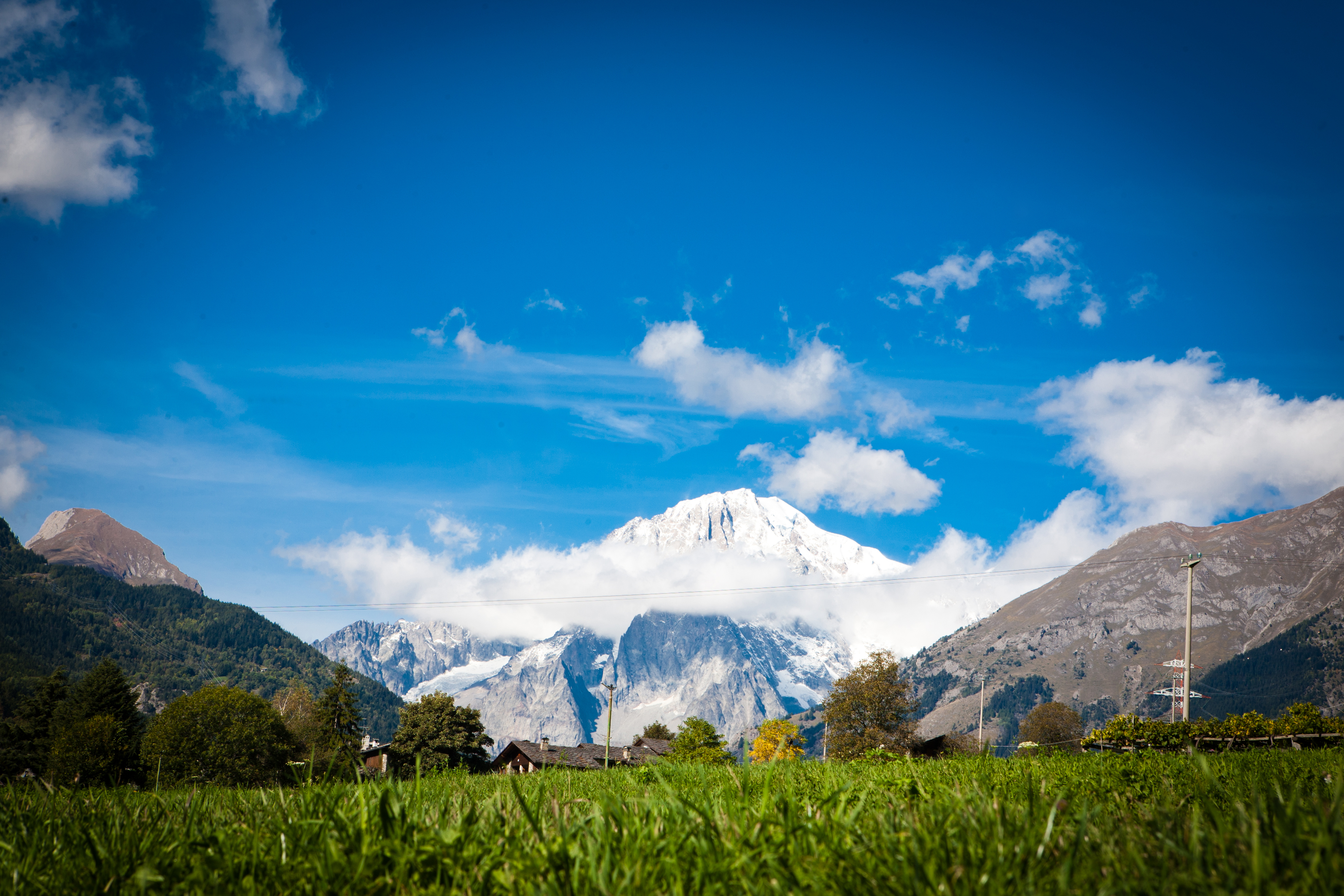
There is a project in the Aosta Valley dedicated to "heroic" apple farming that celebrates cider as the natural, elegant and inherently low-alcohol alternative to wine and traditional sparkling wines. It is Maley’s project, which reinterprets cider in a contemporary key: combining agronomic expertise and artisanal spirit, it produces ciders that are a pure expression of the Alpine terroir, exporting the charm of Mont Blanc apples all over the world.
Preserving heritage apple varieties: biodiversity in every bite
The project stems from the vision of Gianluca Telloli, Head of Research and Selection at Proposta Vini, with the aim of reviving cider production in Italy, treating it with the same respect and technical sophistication as a fine sparkling wine. Maley transcends borders, symbolically uniting the slopes of Mont Blanc, from the Aosta Valley to French Savoy.
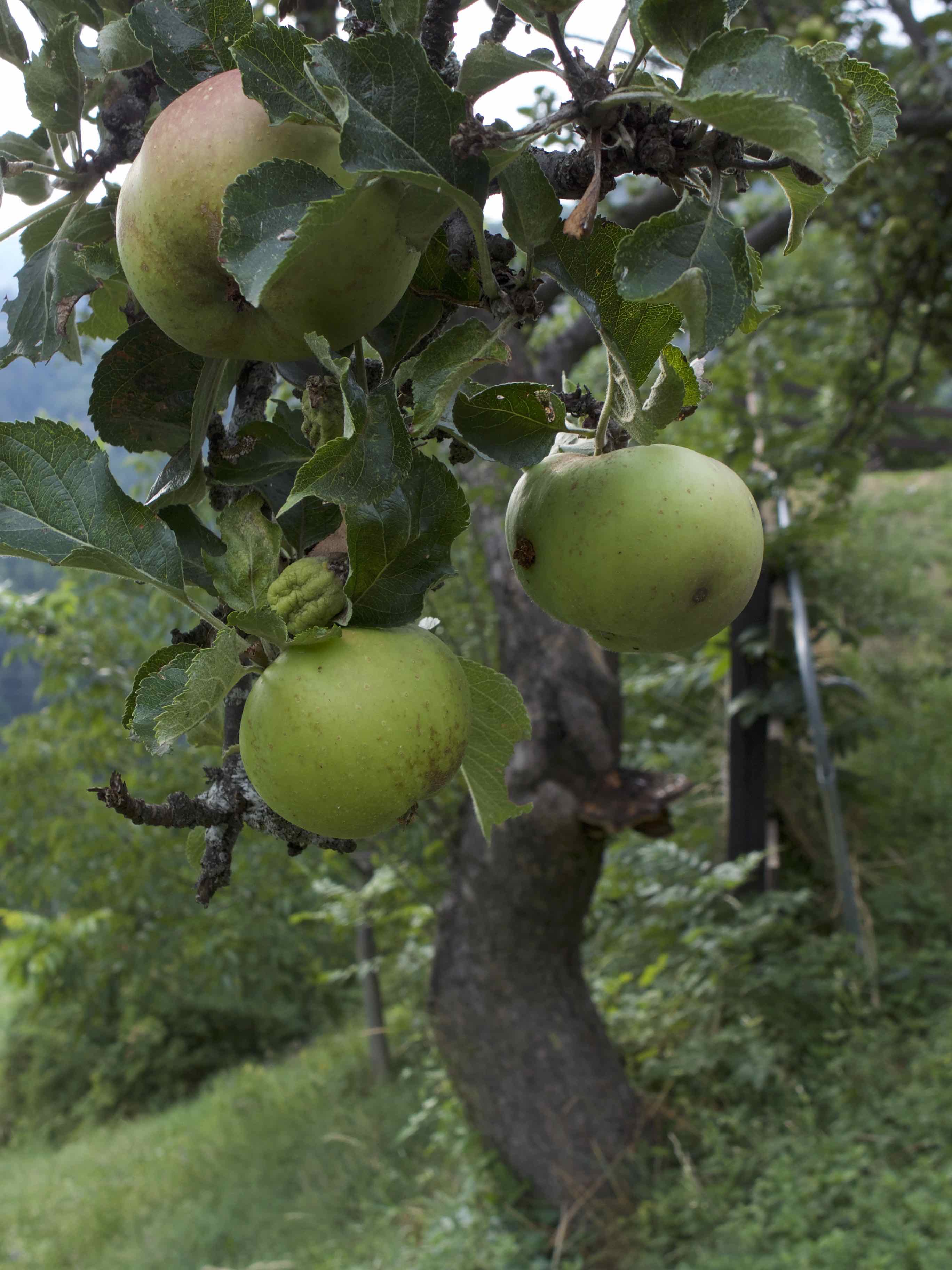
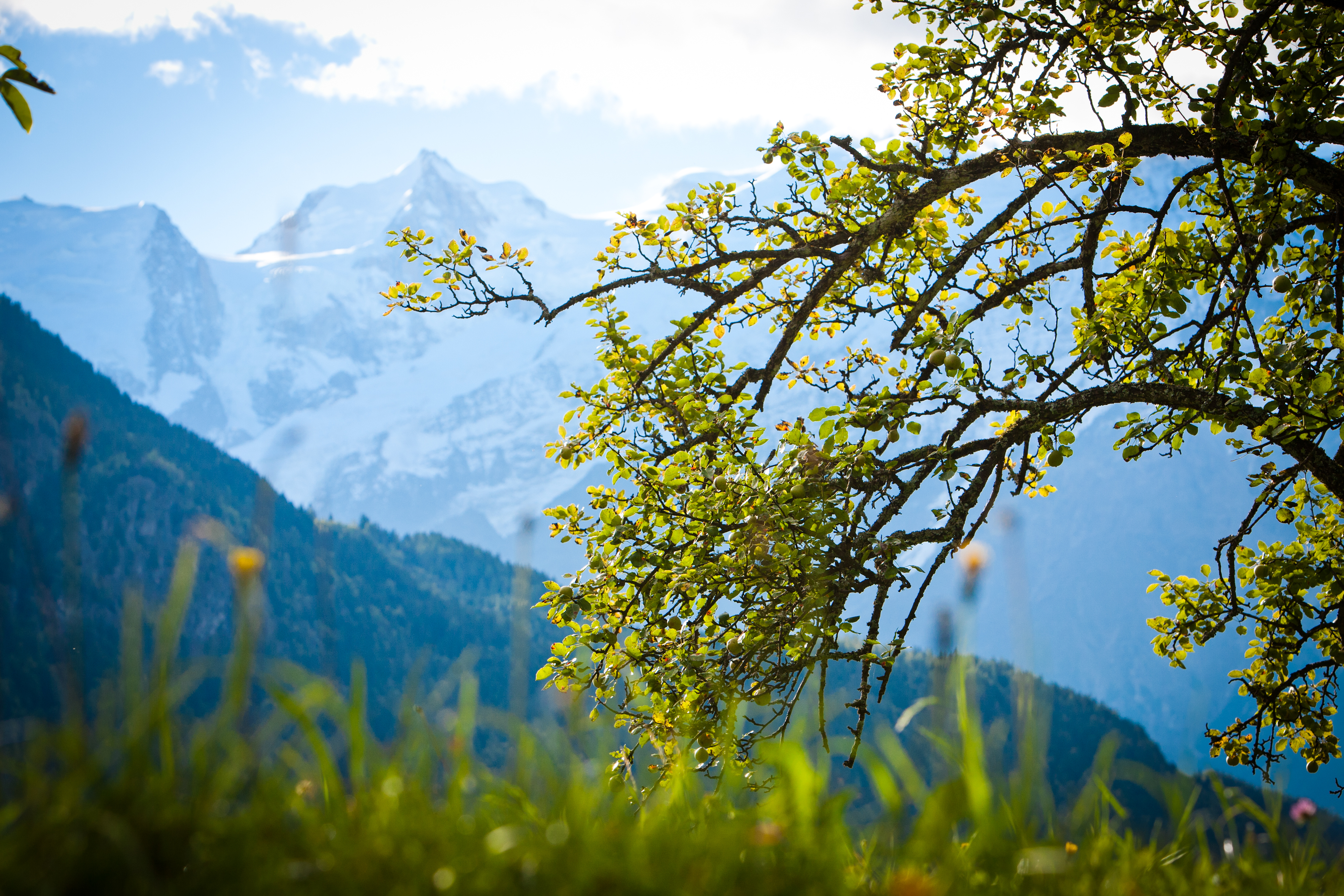
At the heart of Maley’s philosophy lies the protection of the local area. The company is committed to reviving rare heirloom apple varieties (Raventze, Barbelune, Rodzetta, Calville, Pomma verte, Croison de Boussy, Groin de Veau) and two pear varieties (Critchen d’Hiveur, Maude), grown in historic orchards reaching extraordinary altitudes of over 1,500 metres above the sea level. These trees, often over a century old, represent a unique genetic heritage which, without Maley’s intervention, would be at risk of disappearing. The result is a pure fruit, rich in acidity and natural tannins, perfect for sparkling wine production.
Every bottle of Maley helps to ensure the survival and discovery of new monumental trees, as well as the propagation of rare clones: year after year, Maley safeguards the future of a botanical heritage that was at risk of disappearing after 1950. Furthermore, the company operates with the utmost respect for biodiversity, which translates into the maintenance of meadows through traditional methods of irrigation, grazing and mowing, and with full respect for sustainability, including social sustainability.
The revival of cider: from ancient times to the modern table
Cider has ancient origins. Historically a drink of the nobility in European courts and a cornerstone of mountain farming culture, Maley cider is now produced using modern techniques in the cellar, which combine oenological expertise from the worlds of sparkling wine and apples.
“Cider,” explains Telloli, “is becoming a ‘temptation’ for many sectors, from beer to wine, and this is a positive but also a negative sign for genuine cider made from cider apples, not from ordinary table apples, which are increasingly used today for the production of this drink but with significantly inferior quality results. With cider, it works exactly like wine: the quality of the apple, just like the quality of the grape, determines the final result. Maley makes no compromises, and in the glass you can really taste the difference of a product that combines ease of drinking with depth and length.”
Naturally low in alcohol
In response to the growing demand for low-alcohol drinks, Maley cider stands out as the ideal choice. Unlike grapes, which can accumulate large amounts of sugar (which yeasts will convert into alcohol at a level of up to 14–15% ABV), apples have a much lower natural sugar content. A mountain apple contains a quantity of sugars which, once fully fermented, naturally produces between 3% and 7% alcohol. The alcohol content in the glass is exactly what the tree has decided to produce in the orchard. The altitude of Maley’s orchards (up to 1,500 metres above the sea level) also plays a crucial role: the cool temperatures of the Aosta Valley and Savoy allow for very slow and controlled fermentation, a process that preserves the fruit’s primary aromas, which would otherwise be destroyed in the turbulent fermentation typical of higher-alcohol beverages. Under these conditions, the apple retains a striking acidity, making the drink satisfying even at just 5% ABV.
Maley Cidre du Saint Bernard
Maley’s Cidre du Saint Bernard, now distributed in Italy by Proposta Vini, is not just any cider: it is a journey into botanical archaeology and Alpine elegance, the product that best embodies Gianluca Telloli’s mission.
Cidre du Saint Bernard is made from a blend of heritage apple varieties from the Aosta Valley and Savoy (including Raventze and Croison de Boussy), harvested from trees that are often over a century old and grow at altitudes that defy traditional viticulture, ensuring a unique aromatic concentration. The name pays homage to Saint Bernard, patron saint of mountaineers, mountain dwellers and travellers, who for over a thousand years has watched over our valleys and the apple orchards between the Aosta Valley and Savoy.
The production method is unique. Within 36 hours of harvesting, the crates of apples are packed and shipped to a cold store in Savoie, thanks to the collaboration with producer Philippe Bernot and the support of Chantal Lassiaz. The apples are pressed and, the day after arrival at the cider house, the musts obtained, after resting, are brought to the appropriate fermentation temperature without the addition of sugar in a steel tank similar to an autoclave. Once the desired alcohol content is reached, fermentation is halted by lowering the temperature, after which the cider is pasteurised using a modern, gentle pasteurisation system without the addition of sulphur dioxide. A technique that could be described as a bridge between the Martinotti method and the traditional method.
Cidre du Saint Bernard presents itself in the glass with a bright straw-yellow colour, with greenish highlights that betray its youth and vitality. On the nose, white flowers, cedar zest and, of course, the flesh of a crisp apple emerge, accompanied by a subtle mineral note of flint. At the first sip, the sensation is not that of a sweet or "pleasing" drink, but rather of a cool, fragrant caress. It is a cider that tastes of crisp air, freshly mown mountain meadows and freedom.
Perfect for wine lovers tired of the usual fare, for those seeking the benefits of low-alcohol wine without sacrificing the ritual of a glass, and for dreamers who love flavours steeped in history. The ideal pairing? Emotionally perfect with a slice of Fontina d'Alpeggio or a matured Toma, and technically surprising with high-quality sushi.