


The wines of the sands: the unique oenological resilience of ungrafted vineyards
 Valeria Di Rosa,
Friday, 28 August 2026 (0 minutes read)
Valeria Di Rosa,
Friday, 28 August 2026 (0 minutes read)


If there is a place where archaeology meets oenology, that place is not made of stone, but of unstable grains, stirred by the wind. There was a time, between the late nineteenth and early twentieth centuries, when European viticulture faced extinction due to a microscopic, silent “killer” from the Americas—Phylloxera vastatrix—which devastated three-quarters of the Old Continent’s vineyards, gnawing at the roots of Vitis vinifera until they collapsed. To survive, humans had to make compromises: cutting down the old vines and grafting them onto American rootstocks, which were immune to the aphid. All modern wine—or nearly all of it—stems from this wound, from this necessary metamorphosis.
Almost everything, in fact. Because there is a geography of resistance—an exclusive and poetic club of vineyards that have remained “ungrafted,” vines that sink their original roots directly into the soil, without any intermediaries, just as they did millennia ago. Their natural shield? Sand.
The physics of the grain: why the Phylloxera drowns in a vacuum
To understand the technical marvel of the so-called “wines of the sands,” we must set aside poetry for a moment and examine the microscopic structure of the soil. Phylloxera is an insect that thrives in stable environments: it burrows tunnels through clay and silt to reach the vine’s root system, where it feeds and injects lethal toxins.
In sandy soil, this process becomes physically impossible. Sand has a coarse grain size and an almost total lack of cohesion: when the aphid attempts to dig a tunnel, the microscopic grains immediately collapse, sealing the void and suffocating the insect. But that’s not all. Silica, the main component of marine and dune sands—but also present in various soils of volcanic origin—is abrasive to the pest’s exoskeleton, while the high salinity and extreme drainage create a root microclimate that is entirely hostile to it. Sand, in its unstable humility, thus transforms into an impregnable fortress.
The sensory profile of authenticity
From an agronomic and oenological perspective, ungrafted vines grown in sandy soil exhibit unique characteristics. Since they do not have to overcome the “barrier” created by the graft scar, the flow of sap between the roots and the grape clusters is direct, fluid, and unfiltered. Yields are naturally low, and water stress is a constant challenge managed only by roots that extend to depths of over ten meters in search of water and the deep, briny flavor of the saline aquifers. In the glass, this translates to a sensory profile of striking verticality. Notes of salt and light hydrocarbons, with a whispered aromatic finesse and a longevity that spans decades.
A map of Italian resistance
In Italy, this “heroic” viticulture survives in just a few precious areas.
EMILIA-ROMAGNA
In the Bosco Eliceo, amid the mists and marshes of the Po Delta in the Ferrara area, the Fortana grape variety (historically known as Uva d'Oro) grows just a few meters from the sea, among the sand dunes. Here, the wine is wild, tart, savory, and ancient.
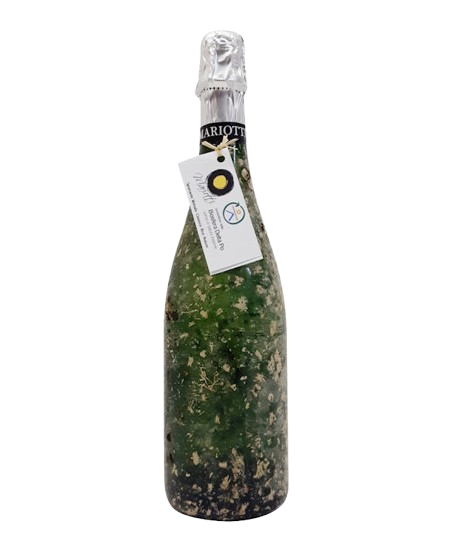
Stella Maris Brut Blanc de Noir - Mariotti
The Mariotti winery, now led by Mirco and Barbara Mariotti, is one of the leading examples of the promotion of Fortana grapes grown on the sandy dunes of the Po Delta. Stella Maris, a 100% Fortana wine, authentically expresses the character of wines from the sandy soils. The soil’s extremely well-drained nature and the proximity to the sea give the wine a pronounced savory quality and a distinctive flavor profile. Aging on the lees, followed by a period spent submerged in seawater inside a basket (lanterna) called “Ostriga”—patented by a local oyster farming company—amplifies the wine’s complexity and finesse. In the glass, it displays a luminous golden color and fine, persistent bubbles. On the nose, notes of morello cherry, small red berries, white flowers, and delicate citrus hints emerge. On the palate, it is fresh, briny, and dynamic, supported by a vibrant acidity that accompanies a long, savory finish, with hints of orange zest and a sea breeze.
CAMPANIA
On the volcanic sands of Pozzuoli (Campi Flegrei and Ischia), Piedirosso and Lacryma Christi thrive amid the proximity of underground heat and the sea. Centuries-old vines crawl across soil where phylloxera has never been able to take hold.
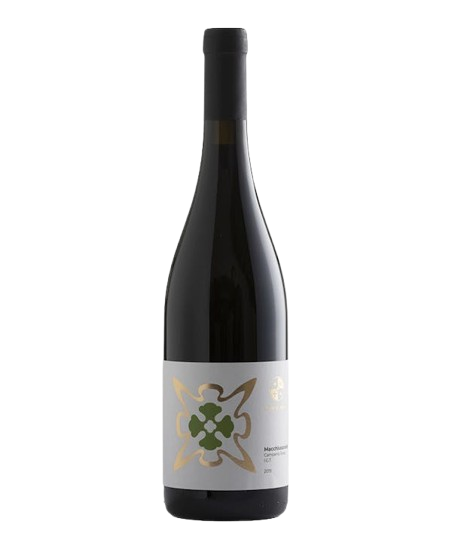
Macchiusanelle - Fabio de Beaumont
The De Beaumont winery maintains a historic vineyard of ungrafted Barbera vines, located in Castelvetere sul Calore, with vines over 150 years old—a rare testament to pre-phylloxera viticulture in Campania. Macchiusanelle represents an important expression of Italian ungrafted viticulture. The old vines, trained using the Avellino pergola system and rooted in volcanic-limestone soils, produce a wine of great personality and territorial depth. The color is an intense ruby red. On the nose, it opens with aromas of morello cherry, violet, and wild berries, followed by balsamic notes of eucalyptus and toasty undertones. On the palate, it is energetic yet balanced, with pronounced tannins, lively freshness, and a persistent finish evoking spices and toasted notes.
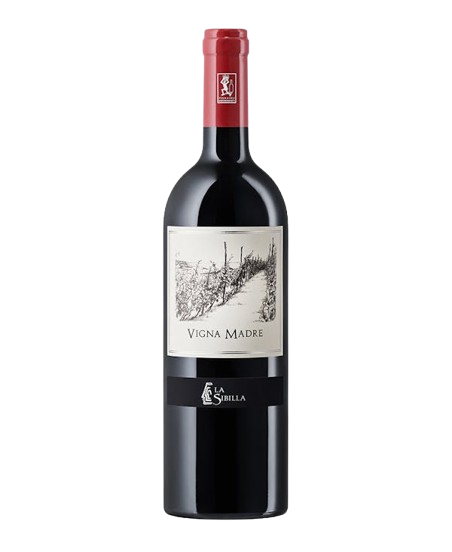
Vigna Madre Piedirosso Campi Flegrei - La Sibilla
For five generations, the Di Meo family has preserved a unique viticultural heritage in the Campi Flegrei, consisting of ancient vineyards whose roots are embedded in volcanic sands shaped by the sea and fire. The Piedirosso vines grow on sandy-volcanic soils rich in ash and lapilli, conditions that have allowed numerous ungrafted vines to survive. This environment lends the wine an extraordinary lightness of expression and a pronounced mineral character.
Vigna Madre Piedirosso Campi Flegrei presents a brilliant ruby red color. The bouquet evokes blackberry, black cherry, blueberry, and forest floor aromas, enriched by elegant smoky and mineral nuances. On the palate, it is agile and smooth, with delicate tannins, great freshness, and a savory finish that fully captures the essence of the Phlegraean volcanic sands.
Vigna del Vulcano Lacrymma Christi del Vesuvio Bianco - Villa Dora
Villa Dora is one of the leading wineries in the Vesuvius region, dedicated to promoting native grape varieties cultivated using organic farming methods on volcanic soil. The vines—many of which are ungrafted and over seventy years old—grow on deposits of volcanic ash and lapilli, where the sandy composition has historically hindered the spread of phylloxera. From Caprettone and Falanghina grapes comes Vigna del Vulcano Lacryma Christi del Vesuvio Bianco, a wine that combines volcanic energy with maritime influences. Straw-yellow in color, it offers aromas of ripe yellow fruit, broom, aromatic herbs, and light briny notes. On the palate, it is full-bodied and enveloping, supported by vibrant acidity and a pronounced savory character that leads to a long, mineral, and marine finish.
SARDEGNA
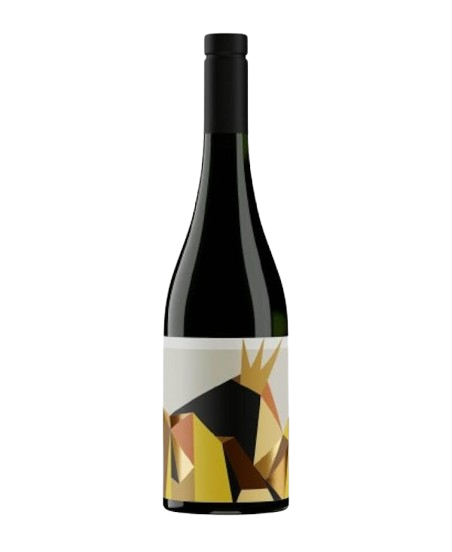
In Sulcis, in the southwestern part of the island, the Carignano del Sulcis vines grow practically on the beach, buffeted by the mistral wind. They are twisted, tree-like specimens, whose sap carries the scent of the Mediterranean scrub and salt.
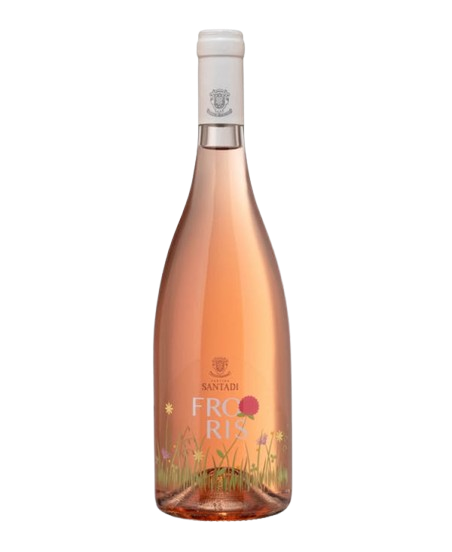
Froris Carignano del Sulcis Rosato - Cantina Santadi
Cantina Santadi has played a decisive role in promoting Carignano del Sulcis, one of Italy’s most celebrated examples of viticulture on sandy soil and using ungrafted vines. The vineyards are located in southwestern Sardinia, on sandy soils swept by the mistral wind and just a stone’s throw from the sea. Here, the sand has preserved the vines’ original roots over time, yielding wines of great elegance and a strong sense of terroir.
Froris Carignano del Sulcis Rosato presents itself in the glass with a delicate, pale pink color. The nose reveals notes of small red berries, pomegranate, and light floral hints, accompanied by a subtle mineral undertone. On the palate, it is fresh, harmonious, and refined, with a pleasant savory quality that evokes the proximity of the sea and leads into a long, silky finish.
TRENTINO
Even in Trentino, there are vineyards that have stood the test of time unscathed thanks to unique soil and climate conditions. This is the case with Vallarom, an organic winery located at the southern entrance to Trentino, where an ancient vineyard of “Lambrusco a Foglia Frastagliata”—a rare and nearly extinct variety—survives on the sandy banks of the Adige River.
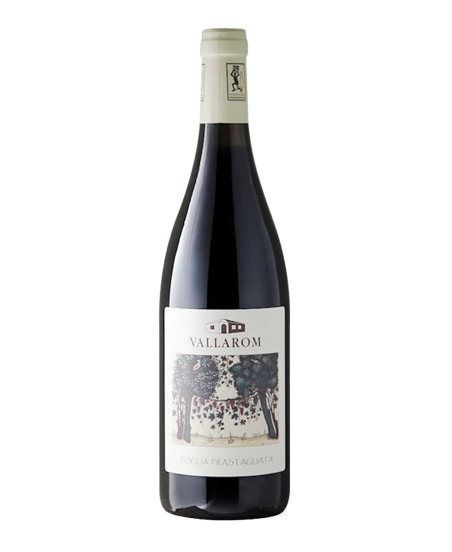
Foglia Frastagliata Vigneto Storico - Vallarom
Vallarom is home to a precious historic vineyard of Lambrusco a Foglia Frastagliata, a rare and nearly extinct variety that has been preserved thanks to careful restoration and revitalization efforts. The roots of this vineyard run deep into sandy soil, a condition that has prevented phylloxera from taking hold and allowed the vines to remain ungrafted. Vallarom’s Lambrusco a Foglia Frastagliata represents an Alpine interpretation of “sandy” wines, linked to the banks of the Adige River and to a soil capable of protecting the vines from phylloxera.
In the glass, it displays an intense purplish-red color. The aromatic profile is dominated by floral notes and small red berries, while the palate reveals freshness, vibrancy, and a pleasant structure. An authentic, terroir-driven wine that, like the other highlights of this journey, bears witness to how Italy’s viticultural heritage is woven from stories of resilience, preservation, and identity.
Uncorking a bottle born of these soils is not merely an act of hedonism. It is a journey through time, a visceral connection with the pure archetype of the vine. A sip of a world that once was—and that, thanks to a handful of sand, incredibly continues to be.