


The perfect cheese for every wine: golden rules for an unforgettable cheese platter
 Francesca Negri,
Friday, 12 June 2026 (0 minutes read)
Francesca Negri,
Friday, 12 June 2026 (0 minutes read)


Italy is one of the world’s richest countries in terms of cheese—with over four hundred varieties on record, ranging from EU-recognized PDO cheeses to products so local they rarely leave the valley where they’re made. It’s an enormous, often under-explored heritage that deserves to be told with the same care one would use to describe a great wine.
In this article, we’ll guide you through creating a cheese board that’s also a journey: from the undisputed icons of Italian cheese-making tradition to cheeses you won’t find in big chains, along with a few surprising stories. And finally, some suggestions on the right wines to pair with them, because every cheese deserves its perfect match.
How to build a cutting board that works
Before we talk about cheese, it’s worth taking a moment to consider how to put together a cheese board that makes sense—not just visually, but in terms of taste.
The first rule is variety of textures: the board should include soft, semi-aged, and aged cheeses. Different types of cheese behave differently in the mouth, tire the palate in different ways, and together create a journey that has a beginning, a middle, and an end.
The second rule concerns placement: the cheeses should be arranged on the platter in a clockwise direction, from the freshest to the most aged. This intuitive rule helps guests fully appreciate the different flavors and textures, guiding them through their tasting journey.
The third rule, often overlooked: cheeses should be taken out of the refrigerator at least thirty minutes before serving. Cold temperatures suppress aromas and dull flavors. A Parmigiano at room temperature is a completely different experience from the same cheese straight out of the fridge.
Fourth rule: never just cheese alone—garnishes enhance the flavor of the cheeses. Chestnut honey on aged cheeses, fig jam or cooked grape must with blue-veined cheeses, walnuts and almonds to add texture, a few fresh grapes to cleanse the palate. Homemade bread, whole-grain crackers, or breadsticks serve as accompaniments.
The seven main characters
MOZZARELLA DI BUFALA CAMPANA DOP - LA FRESCHEZZA
If the first rule of a cheese platter is variety of textures, we naturally start with the most immediate one: buffalo mozzarella. On the platter, buffalo mozzarella serves as the opener: it’s the cheese you start with, the one that prepares the palate without weighing it down. It should be served whole or, at most, cut in half, at room temperature, with a drizzle of high-quality extra virgin olive oil and a few leaves of fresh basil if the occasion allows.
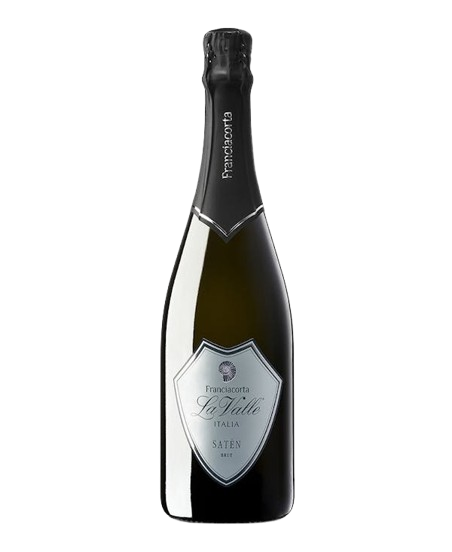
Alongside it, a Franciacorta DOCG Satèn M.C. from the La Valle winery; its freshness and ultra-fine perlage complement the creaminess of the mozzarella without overpowering it, enhancing it without ever overshadowing it.
TALEGGIO DOP - IL CREMOSO CHE SORPRENDE
Taleggio is one of those cheeses that divides opinion: its aroma, resulting from the rind being washed with salt water during aging, isn’t for everyone. Yet it is one of Italy’s great cheeses, with a history dating back to the Middle Ages and a texture that melts in your mouth.
Produced in Lombardy—between Val Taleggio, Valsassina, and the provinces of Bergamo, Brescia, and Milan—it has a soft, cream-colored texture, a buttery flavor with a slight tang, and a lactic, animal-like undertone that unfolds slowly. The intense aroma of the rind is entirely different from the flavor of the cheese itself: those who stop at the smell miss out on one of Italy’s most elegant cheeses.
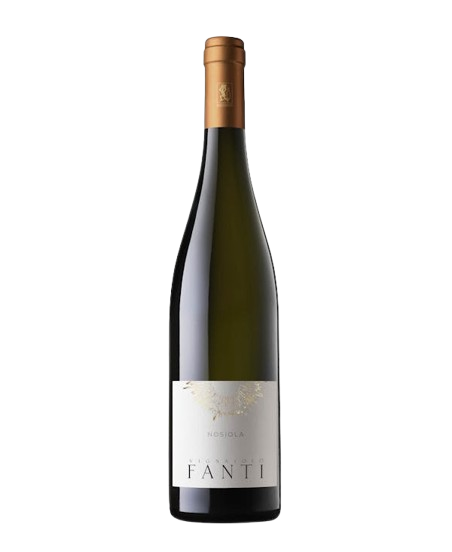
The Nosiola from Vignaiolo Fanti pairs well here: it smells of wildflowers and has a dry, savory, and enveloping palate, with a slight nutty note on the finish. Its freshness lightens the creaminess of the Taleggio and cleanses the palate without overpowering it.
PECORINO DI PIACENZA - IL TOSCANO DIMENTICATO
In the heart of Val d'Orcia, just a few kilometers from Pienza—the ideal Renaissance city—a Pecorino is produced that deserves far more attention than it usually gets on Italian cheese boards.
Pecorino di Pienza is aged under ash, in oil, in grape pomace, or in a cellar, depending on the producer: each variant tells a different story, but all share a firm, buttery texture, a flavor that balances sweetness and savory notes almost perfectly, and a rind that bears the marks of time and place.
It lacks the fame of Pecorino Romano or Pecorino Sardo, yet it is considered by many connoisseurs to be one of Italy’s finest pecorinos. On the cheese board, the version aged in grape pomace—with that dark, fragrant rind—is one of the most visually striking and flavorful additions you can make.
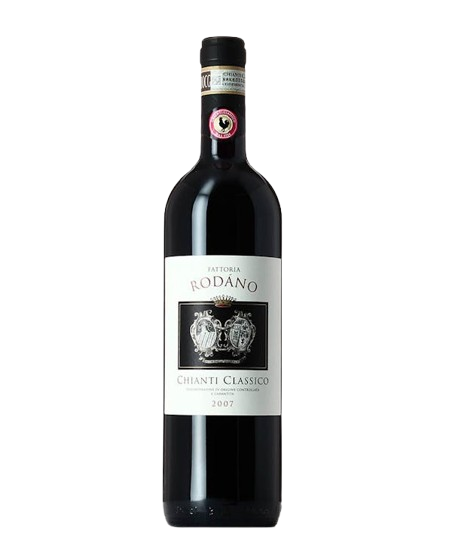
Alongside it, a red like the Chianti Classico Rodàno from Pozzesi e Figlie: light and fresh, it supports the structure of the Pecorino without weighing it down, accompanying it and naturally extending its finish.
PIACENTINU ENNESE DOP - IL GIALLO DI SICILIA
Produced in the Sicilian hinterland, between the Erei Mountains and the provinces of Enna and Caltanissetta, Piacentinu Ennese is one of Italy’s oldest and most intriguing cheeses. Its most striking feature is its yellow paste—a deep, vibrant yellow—because during production, the stigmas of Enna saffron, one of the finest in the world, and whole black peppercorns are added.
Tradition holds that this recipe dates back to the Norman era, when King Roger II is said to have ordered the production of this cheese to alleviate the melancholy of his Arab consort: saffron, a medicinal plant in the Arab world, was believed to instill serenity. Legend or not, the result is a cheese with a bold personality: a semi-hard texture, a flavor that starts off sweet and finishes with a lingering spicy note, and that unmistakable scent of saffron that you can smell even before bringing it to your mouth.
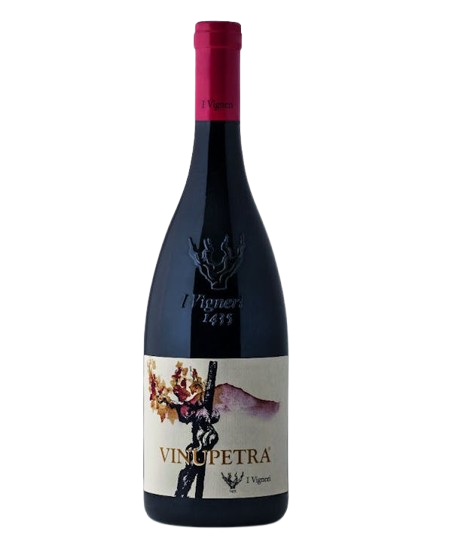
Pair it with a deep, enveloping red like the Etna Rosso Vinupetra from I Vigneri by Salvo Foti, where the soft, enveloping tannins bind with the cheese’s texture and cut through its richness.
PARMIGIANO REGGIANO - IL MONUMENTO
No self-respecting Italian cheese board is complete without at least one aged Parmigiano Reggiano. It is the most imitated cheese in the world and the least imitable: its complexity depends on an ecosystem of bacteria, milk, and microclimate that cannot be replicated elsewhere.
Among the aging periods—12, 24, 36, 40 months, and beyond—the 24-month variety strikes the perfect balance for a cheese board: still soft enough not to crumble into dust, yet sufficiently crystallized to have that grainy texture and those tiny tyrosine crystals that crunch between your teeth. The flavor is intense and umami, with an underlying sweetness that always surprises those tasting it carefully for the first time.
It should be served broken, not sliced: the small almond-shaped knife that is inserted and twisted opens the cheese along its natural lines, without forcing it.
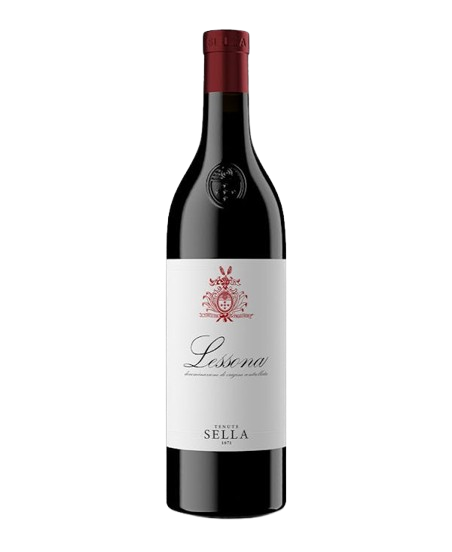
Alongside it, the Lessona from Tenute Sella—90% Nebbiolo and 10% Vespolina—a red wine with a fine yet deep structure, capable of navigating contrasts and affinities: its freshness lightens the richness of the Parmigiano, while its savory, mineral vein dialogues with the cheese’s umami, lengthening its finish and bringing out an unexpected sweetness.
STORICO RIBELLE DOP - IL RIBELLE DELLE ALPI
Few cheeses have such a fitting name. Storico Ribelle—the official name adopted in 2011 to distinguish the authentic historic Bitto from the common Bitto—is produced in the Orobic valleys of Valtellina, at altitudes above 1,400 meters, exclusively during the summer grazing season, between June and September.
It is a cheese that defies all industrial logic: made with milk from Alpine Brown cows and a percentage of Orobica goat’s milk (a nearly extinct native breed), aged from a minimum of 70 days up to over ten years, it is likely the Italian cheese with the longest potential aging period. The producers are a few dozen families who still practice summer transhumance, taking the animals to graze on high-altitude mountain pastures.
The result is a cheese of extraordinary complexity: a firm, grainy texture, a color that shifts toward straw yellow as it ages, and a flavor that starts off sweet and finishes with a long, almost mineral aftertaste. The more mature varieties—aged five or six years—are cheeses for contemplation, to be savored slowly, just as one would a fine wine.
The word “ribelle” in the name is no accident: it is a symbol of a cultural battle against standardization. The producers of Storico Ribelle broke away from the official Bitto Consortium to defend the traditional method, rejecting the use of industrial cultures and additives. A story of resistance that is almost as valuable as the cheese itself.
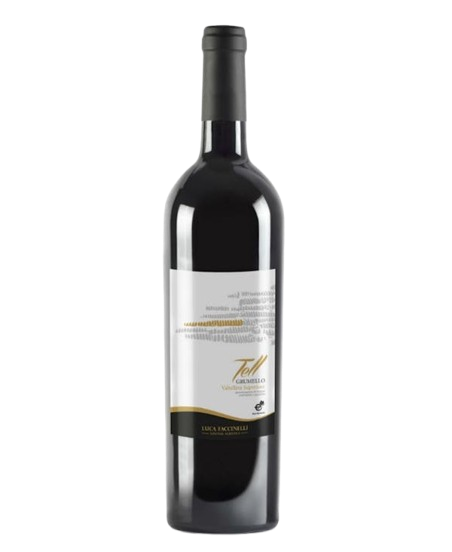
A mountain Nebbiolo is perfect here, such as Luca Faccinelli’s Valtellina Superiore Grumello DOCG “Tell,” a wine that moves in the same direction as the cheese: a marked freshness supports a savory, balsamic mouthfeel, traversed by medium tannins and ending with a slight bitter note.
GORGONZOLA DOP PICCANTE - IL FINALE CHE NON SI DIMENTICA
Gorgonzola is Italy’s oldest blue-veined cheese still produced on a large scale: tradition holds that it originated in the Milanese town of the same name around the year 1000, although its exact origins are shrouded in legend.
There are two varieties: the Dolce, creamy and delicate, perfect for those new to the world of blue cheeses; and the Piccante, aged longer, with a firmer texture, more pronounced blue-green veins, and a bold, almost pungent flavor with a long, complex finish. On the cheese board, the Piccante is the finale—the one that brings the tasting to a powerful close, the one people are still talking about afterward.
It is also the cheese that, paired with a sweet wine of character, creates one of those pairings that change the way you think about wine and cheese: the sweet-salty contrast ceases to be a curiosity and becomes a certainty.
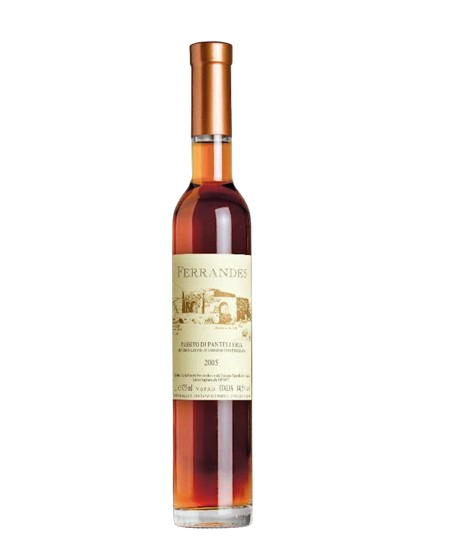
Here the choice comes naturally: Ferrandes’ Passito di Pantelleria, amber and luminous, with intense aromas of raisins, dried fruit, and candied fruit. Its sweetness envelops and softens the sharp edge of the Gorgonzola, while its freshness keeps the palate in balance, avoiding any excess. The result is a long, harmonious finish, in which cheese and wine chase each other without ever one overpowering the other.