


Heirloom Grape Varieties: A Journey Through the Varieties Saved from Extinction
 Francesca Negri,
Friday, 31 July 2026 (0 minutes read)
Francesca Negri,
Friday, 31 July 2026 (0 minutes read)


Within Italy’s vast wine-growing heritage, there are varieties that have remained on the margins of interest in recent years, surviving in a few forgotten rows, in old family vineyards, or in particularly isolated areas. These are the so-called “relic grape varieties”: historic varieties—sometimes indigenous—that were at risk of disappearing due to the profound changes that affected viticulture throughout the 20th century.
The term “relic” evokes something precious from the past that has been preserved over time. In the world of wine, it refers to those grape varieties that, despite once having been an integral part of the local agricultural landscape, have survived only thanks to the tenacity of a few winemakers or their presence in ancient vineyards that have escaped the transformations of modern agriculture.
There are numerous factors that put these grape varieties at risk of extinction, linked to the events that shaped the history of European viticulture between the late 19th century and the following century: the arrival of phylloxera, wars, and rural depopulation led to the gradual abandonment of the cultivation of certain varieties.
The restoration work
Starting in the 1980s and 1990s, the growing focus on biodiversity and regional identity spurred significant research and restoration efforts. Agronomists, ampelographers, universities, nurseries, and producers began surveying old vineyards, collecting testimonies, and genetically analyzing varieties that seemed destined to disappear.
This made it possible to identify forgotten grape varieties and understand their agronomic and oenological characteristics, paving the way for a new chapter in their history.
A precious legacy for the future
The revival of heirloom grape varieties is not only linked to the desire to preserve agricultural heritage but also serves as a strategic resource for addressing the challenges posed by climate change and the evolution of viticulture. Each variety, in fact, possesses unique characteristics: different ripening times, varying resistance to disease, and the ability to adapt to specific soil and climate conditions. Preserving this heritage means keeping open possibilities that could prove fundamental for the future. At the same time, heirloom grape varieties offer the opportunity to tell the stories of different regions through wines with distinctive characters—wines that often defy standardization and are capable of expressing a strong local identity.
Proposta Vini’s efforts to revive rare grape varieties
Proposta Vini has always devoted special attention to historic and native grape varieties, as well as to lesser-known varieties within the Italian wine scene. By selecting producers deeply connected to their local territories, the company helps preserve and promote a heritage of biodiversity that would otherwise risk being forgotten. From the Piedmontese Alps to Pantelleria, passing through Trentino, the Euganean Hills, Tuscany, the Po Delta, Sardinia, Mount Etna, and beyond.
Here are some stories collected by Proposta Vini that demonstrate how the protection of heirloom grape varieties serves as a valuable tool today for preserving the identity of these regions.
BIANVER: THE WHITE TREASURE OF THE WALDENSE VALLEYS
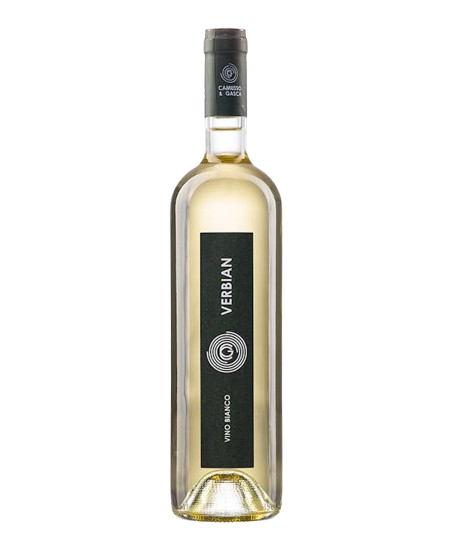
Between the Germanasca Valley and the Pellice Valley, at the foot of Mount Monviso, the Bianver—an extremely rare native Piedmontese variety—still thrives. From this grape variety, Mauro and Elisa Camusso of l'Autin produce their Verbian, a dry and aromatic wine that helps preserve a grape variety representing one of the most authentic expressions of Alpine viticulture.
NEGRON DE ORZAN: A VARIETY REDISCOVERED ALONG THE VIA CLAUDIA AUGUSTA
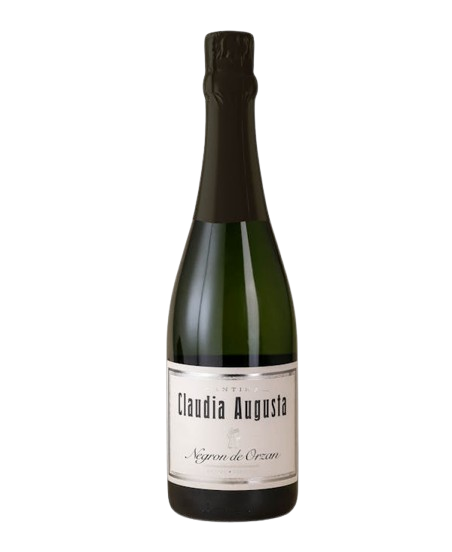
Among the grape varieties revived in Trentino, Negron de Orzan is an ancient local variety preserved by Daniele Endrici’s Claudia Augusta project. The Negron de Orzan Extra Brut Blanc de Noir Metodo Classico is a sparkling wine that stands out for its fine perlage, delicate citrus notes, and a structure that reflects the character of the variety.
PAVANA: THE WINE-MAKING HERITAGE OF THE VALSUGANA
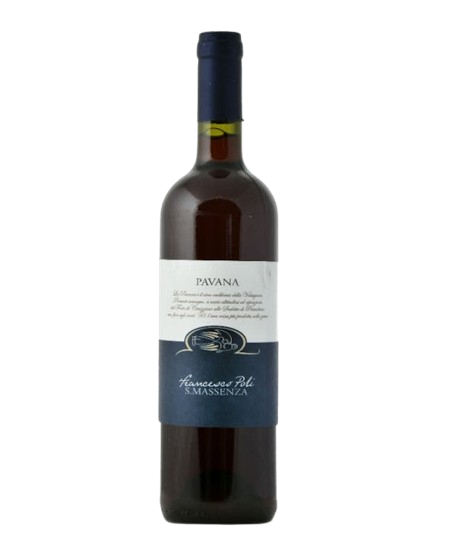
Pavana is one of Trentino’s historic grape varieties that has been saved from oblivion thanks to the efforts of winemakers like Alessandro Poli. His Pavana Valsugana celebrates a grape variety that tells the agricultural history of the Valsugana and highlights the richness of the region’s biodiversity. This wine features a fragrant and fruity profile, supported by a lively acidity that makes it a pleasure to drink.
THE ANCIENT GRAPES OF THE EUGANEAN HILLS
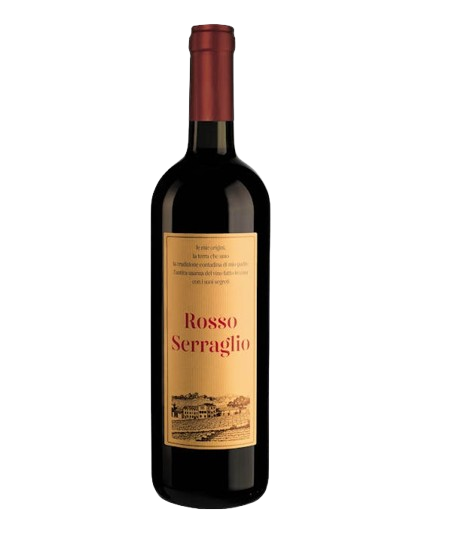
In the Euganean Hills, the revival effort encompasses an entire heritage of historic grape varieties. Mario Dal Betto, of the Serraglio winery, cultivates grapes such as Cavrara, Corvinella, Corvinona, and Turchetta, which are featured in the Rosso Serraglio and bear witness to the extraordinary viticultural richness of this region. A drying process lasting about 30 days and 12 months of aging in barriques give this wine its complexity and depth.
FORTANA: THE SOUL OF THE DELTA'S SANDS
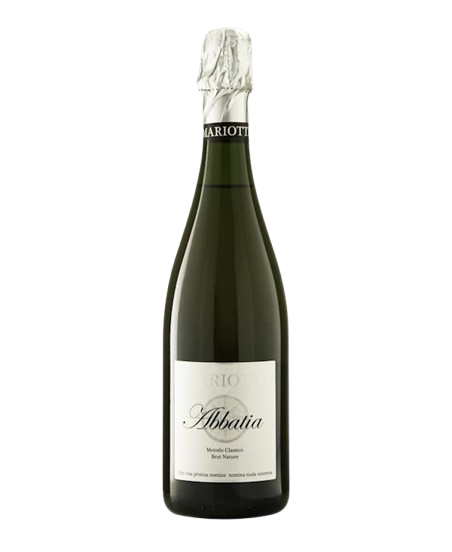
In France, Fortana has been an iconic grape variety for centuries. Thanks to its adaptability to sandy soils, it has managed to survive while maintaining a strong connection to the land. The Mariotti family continues to promote this variety, preserving one of the most distinctive identities in the viticulture of the Po Delta. Their Brut Nature Abbatia is an undosed, single-vineyard Blanc de Noir, topped up with the same wine, where notes of strawberry, currant, and yellow flowers accompany a pleasant savory character and balanced acidity.
PUGNITELLO: THE RETURN OF AN ANCIENT TUSCAN VARIETY
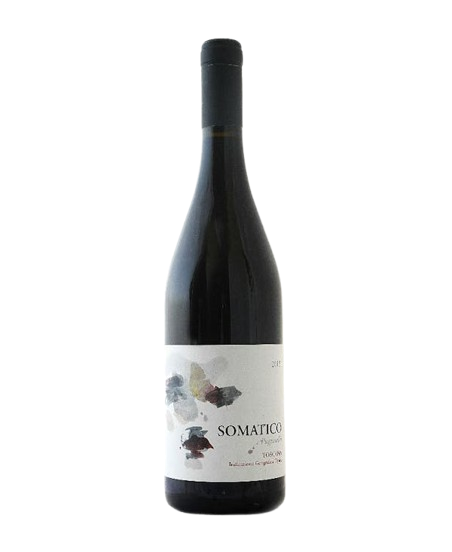
For a long time, Pugnitello was considered one of Tuscany’s rarest grape varieties. Thanks to the efforts of producers such as Podere Il Castellaccio, this variety is once again being cultivated and celebrated, demonstrating how the rediscovery of historic grape varieties can help strengthen a region’s identity. Their Pugnitello Somatico expresses notes of red fruit and spices, combined with structure and aging potential.
NASCO: ONE OF SARDINIA'S MOST AUTHENTIC EXPRESSIONS
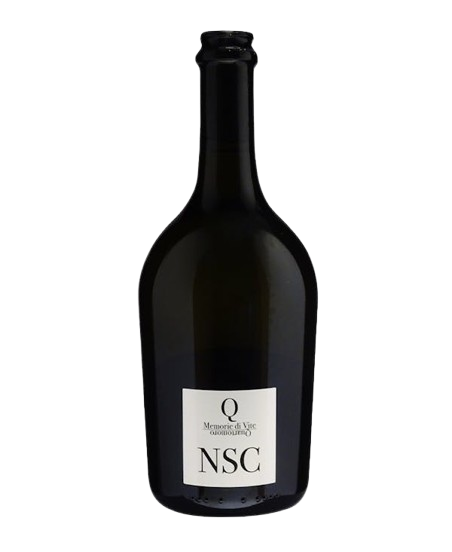
Among Sardinia’s historic grape varieties, Nasco stands out as a variety with ancient origins and a strong personality. Quartomoro highlights its characteristics through a winemaking process that reflects the island’s biodiversity and the deep connection between wine and the land. Its Nasco di Cagliari is distinguished by notes of yellow flowers, ripe fruit, and musk, accompanied by remarkable elegance and length.