


Tenute Sella: 350 years of history, tradition, innovation
 Maddalena Frigerio,
Friday, 19 June 2026 (0 minutes read)
Maddalena Frigerio,
Friday, 19 June 2026 (0 minutes read)


With over 350 years of history, Tenute Sella is one of the most iconic wineries in Northern Piedmont. We interviewed Riccardo from Tenute Sella to learn more about the winery’s connection to the region, the philosophy behind its wines, and its latest projects, from the rosé to the new Boca.
1) Your winemaking history dates back to 1671: how do you manage to combine over 350 years of family tradition with the needs and tastes of today’s consumers?
Our history represents an extraordinary heritage that is part of our identity, but it is not an end in itself, and on its own, it is not enough for today’s consumer. Tradition must be actively embraced: it is one of the pillars upon which we build the future and one of the elements that helps us decide what our next step will be.
Today more than ever, people seek identity, authenticity, and sustainability—both regional and corporate. History, along with many other elements, helps build this identity and is concretely expressed through our wines, which convey our vision.
We also feel deeply connected to the region and responsible toward the entire Upper Piedmont. Being a historic enterprise allows us to maintain a broad and long-term perspective. For us, innovation and tradition are not at odds: on the contrary, it is precisely innovation that allows us to express and enhance tradition. After all, Tenute Sella has always been a company capable of innovation, thanks in part to the family’s entrepreneurial culture and its constant openness to new directions.
2) Lessona is one of the historic regions of Northern Piedmont. What are the characteristics of the soil and climate that make your winery’s wines unique?
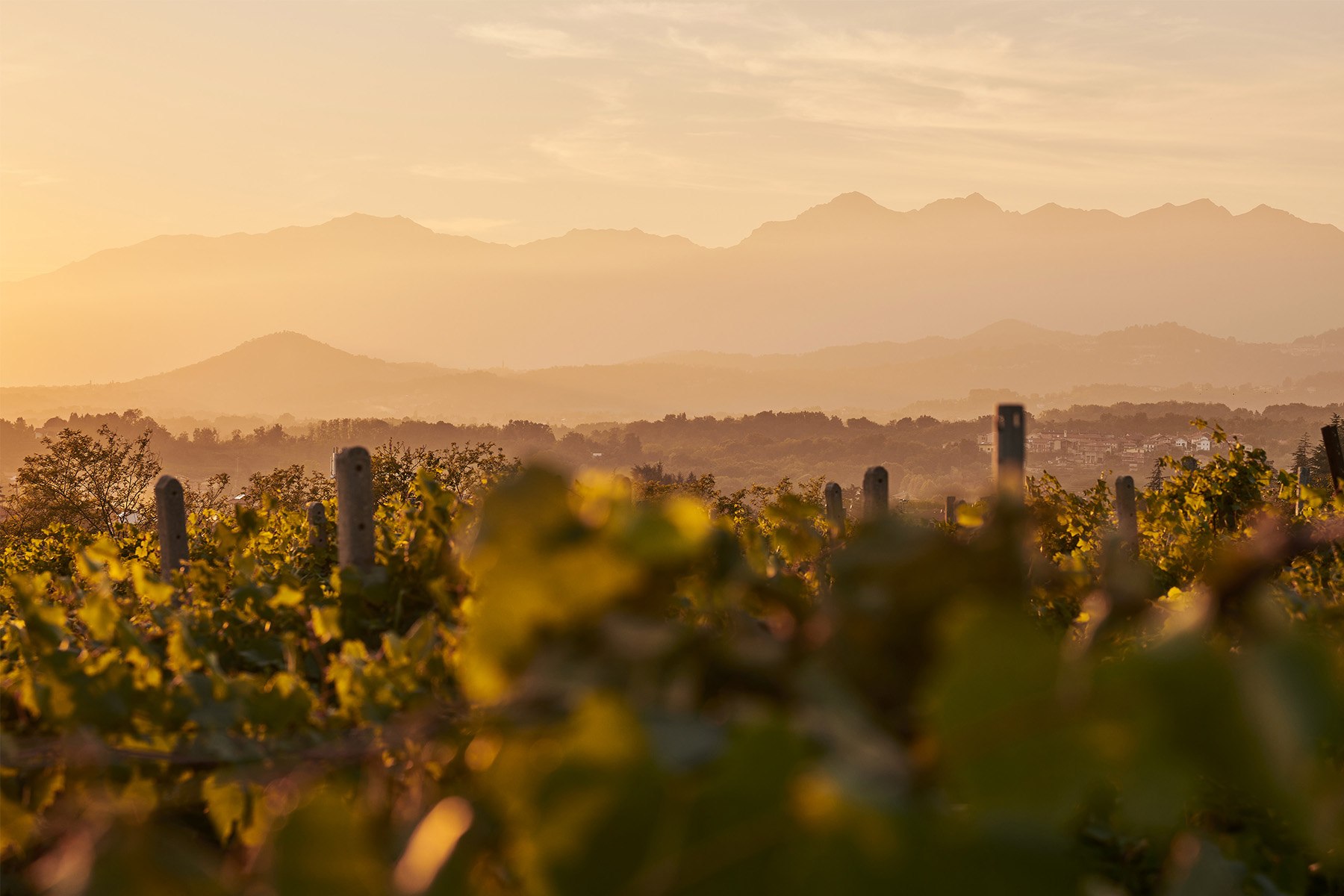
The history of Tenute Sella and that of Lessona are deeply intertwined. For over 350 years, the family has been producing wine in this region without ever ceasing operations, helping to keep alive a wine appellation that, at certain times, was in danger of disappearing. It is no coincidence that on the old labels, the names Sella and Lessona were almost synonymous.
This small patch of land possesses unique characteristics. The soils, derived from ancient seabeds and marine sands, are extremely acidic, low in organic matter but exceptionally rich in minerals. The proximity to the Alps ensures significant temperature fluctuations and a slow, complete ripening of the grapes—ideal conditions for Nebbiolo.
This terroir produces elegant, deep, and long-lived wines capable of withstanding extended aging. In particular, Nebbiolo expresses here an extraordinary finesse and a distinctive mineral character that represents Lessona’s true signature.
3) With the arrival of summer, interest in rosé wines is on the rise. What is the philosophy behind your rosé, and what characteristics make it particularly well-suited for the summer season?
Our rosé is a reflection of our commitment to innovation, including through our products. We’ve been producing it for about fifteen years, and over time we’ve seen growing interest in this style even within our own region.
The philosophy behind it is the same one that drives all our wines: to highlight the region and its local grape varieties. The rosé comes from the Vigna Majoli vineyard, and from the very beginning, the grapes are cultivated and harvested with the specific goal of producing this particular style. It is precisely this approach that makes the difference.
We are not simply looking for an easy-drinking wine, but a balance of freshness, precision, tension, and great drinkability. It is certainly a perfect wine for summer, but not only. Thanks to its complexity and distinct savory character, it has carved out a specific place at the table and can successfully accompany both haute cuisine and traditional Piedmontese cooking.
4) If you had to describe your rosé to someone who hasn’t tried it yet, what aromas, flavors, and food pairings would you recommend to help them appreciate it to the fullest?
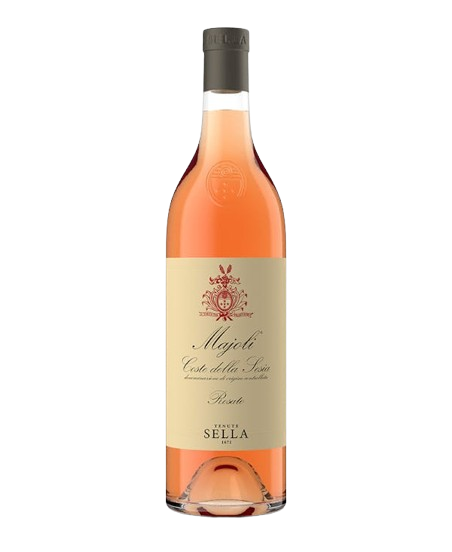
Our rosé is characterized by delicate aromas of small red berries, pomegranate, and fresh rose. On the palate, it is fresh and clean, with a delightful character that immediately invites you to take another sip.
It is an extremely versatile wine, perfect as an aperitif but also capable of accompanying an entire meal. It pairs beautifully with lake and sea fish, tartare, pasta dishes, and risottos, but it also shines when paired with traditional Piedmontese cuisine. Vitello tonnato, for example, is one of the most surprising and successful pairings.
Its ability to combine freshness, elegance, and versatility at the table makes it a rosé suitable for every season and a wide range of occasions.
5) One of the winery’s new offerings is Boca, made from Nebbiolo, Vespolina, and Croatina. How did this project come about?
Tenute Sella’s commitment to exploring the diverse terroirs of Upper Piedmont is deeply rooted in the company’s history. It all began on December 19, 1671, with the purchase of the first vineyard, San Sebastiano lo Zoppo, documented in a parchment that is still preserved today at the State Archives.
Over the centuries, the family has developed new production sites, first with Bramaterra, then, in the early 2000s, with the restoration of historic vineyards in the Coste della Sesia area. The common thread has always been to explore and highlight the diverse terroirs of Upper Piedmont.
The Boca project also emerged from this vision. Thanks to our collaboration with several partner wineries in the region, we’ve had the opportunity to gain a deeper understanding of this appellation and interpret it through our own lens.
Boca, made from Nebbiolo, Vespolina, and Croatina, expresses great aromatic complexity and intense spice—characteristics that find their ideal match in the terroir of its origin. It is currently produced in small quantities and is available exclusively through Proposta Vini.
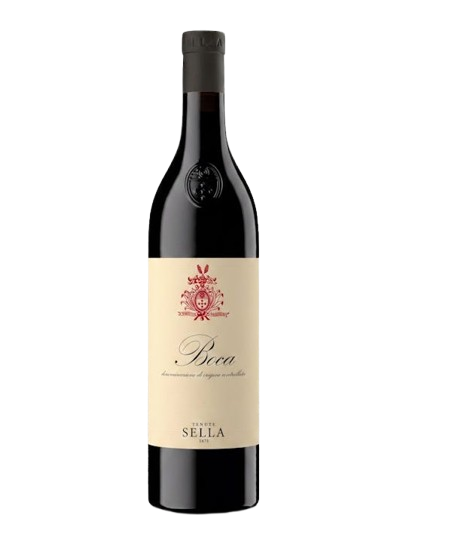
6) What message would you like to convey through the new Boca, and how does this wine represent the present and future of your winery?
The new Boca perfectly embodies Tenute Sella’s philosophy and the vision that has guided the company for over three centuries. More than just a new product, it is the natural continuation of a journey that began in the late 19th and early 20th centuries: to engage with the diverse terroirs of Upper Piedmont and offer a personal interpretation of its micro-appellations.
For us, being a winery in Upper Piedmont means understanding and celebrating the diverse expressions of this extraordinary region. The Boca project is therefore not a destination, but a milestone on a journey destined to continue into the future.
Through this wine, we aim to convey the idea of a winery deeply rooted in its history, yet at the same time dynamic and forward-looking, continuing to explore and authentically interpret the many nuances of Upper Piedmont.